

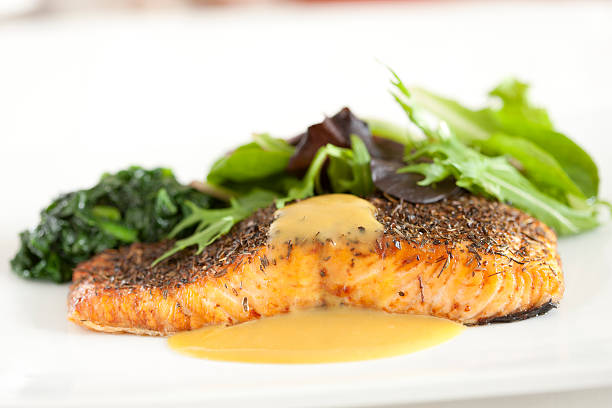
The magic here is all about the balance of sweet and tangy. Honey brings a gentle warmth and helps the salmon caramelize on the edges, while Dijon mustard cuts through with a subtle sharpness that keeps the dish from being cloying. A tiny hit of garlic powder or a squeeze of lemon (both pantry staples) rounds out the flavor without adding extra complexity. You might wonder if a glaze that simple can really carry a whole fillet, but trust me—once you pull that salmon out of the oven, you’ll see the golden, sticky finish and smell that sweet-savory aroma, and you’ll know you’ve done something right.
Here’s what you need. For the core five ingredients, grab four salmon fillets (about six ounces each, skin on or off—your call), three tablespoons of honey, two tablespoons of Dijon mustard, one tablespoon of olive oil, and a quarter teaspoon of salt. As for pantry staples, you’ll want a pinch of black pepper and, if you like, a little fresh lemon juice or a dash of garlic powder. That’s it. No long list, no obscure spices, no hunting through your cabinets for something you bought once and never used again.
Preheat your oven to four hundred degrees Fahrenheit. While it warms, line a baking sheet with parchment paper or foil for easy cleanup. Pat the salmon fillets dry with paper towels—this step matters because dry fish gets a better sear and holds onto the glaze more evenly. Place the fillets on the prepared sheet, skin side down if you kept the skin on.
In a small bowl, whisk together the honey, Dijon mustard, olive oil, and salt until the mixture is smooth and slightly lighter in color. Taste it. If you want more tang, add another half teaspoon of mustard. If you like it sweeter, drizzle in a little extra honey. This is your moment to adjust, and there are no wrong answers. Spoon the glaze generously over each fillet, using the back of the spoon to spread it evenly. Don’t worry if some pools at the edges—that will caramelize and create a delicious crust.
Slide the baking sheet into the oven and bake for twelve to fifteen minutes, depending on the thickness of your fillets. The salmon is done when it flakes easily with a fork and the glaze has turned sticky and dark golden at the edges. If you want a little extra color, switch the oven to broil for the last minute—but keep an eye on it. Honey can go from glossy to burnt in seconds.
Let the fillets rest for a minute or two on the sheet. This short rest allows the juices to redistribute, so every bite stays moist. Serve them with whatever you have on hand: a quick side of steamed green beans, a handful of cherry tomatoes roasted alongside the salmon (just toss them in a little oil and salt on the same pan), or some fluffy rice or couscous to catch the extra glaze. A squeeze of lemon right before serving brightens everything beautifully.
What makes this dish a true champion for busy nights isn’t just the speed—it’s the flexibility. You can swap honey for maple syrup if that’s what’s in your pantry. You can use whole-grain mustard instead of Dijon for a more rustic texture. You can even double or halve the glaze recipe depending on how many fillets you’re cooking. The technique stays the same, and the result is always a win.
These honey mustard salmon fillets are proof that you don’t need a long ingredient list or a complicated technique to make something that feels special. On those nights when the clock is ticking and your energy is low, this recipe is a reliable friend. It delivers flavor, satisfaction, and the quiet pride of a homemade dinner that came together in under half an hour.