

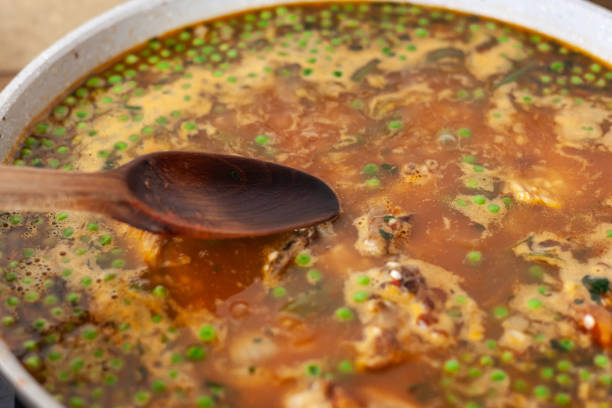
The beauty of this trick is that it works with almost any soup, provided it’s been blended or is naturally smooth. Chunky minestrone or beef stew might need a quick spin in the blender first, but creamy soups are already halfway there. The transformation is incredibly simple. You’re not cooking a new sauce from scratch. You’re simply repurposing a soup that already has layers of flavor—seasonings, aromatics, and sometimes even protein or vegetables cooked right in. That’s hours of simmering saved, which is exactly what you need on a rushed evening.
To turn your leftover soup into a dinner-winning sauce, start by heating it in a saucepan over medium-low heat. Since soups are designed to be sipped, they’re usually thinner than what you want for a sauce. That’s an easy fix. Let the soup simmer gently for five to ten minutes, stirring occasionally, until it thickens and reduces slightly. If it’s still too thin, you can stir in a spoonful of tomato paste, a splash of heavy cream, or a bit of grated Parmesan cheese. These additions not only thicken the sauce but also deepen the flavor, turning a simple soup into something that tastes intentionally crafted for pasta or protein.
What about pairing? Think of the soup’s base as your flavor guide. A creamy roasted red pepper or tomato soup makes a glorious pasta sauce, especially when you add a pinch of red pepper flakes and fresh basil. A smooth broccoli cheddar soup can be thinned with a little milk and used as a rich, cheesy sauce for baked potatoes, steamed broccoli, or even a quick mac and cheese. Lentil or split pea soups, once blended until smooth, become a hearty, almost meaty sauce that clings beautifully to chunky pasta like rigatoni or pappardelle. Butternut squash or pumpkin soup, with a dash of nutmeg and sage, is a dream over tortellini or drizzled over roasted chicken thighs.
Don’t limit yourself to pasta either. A leftover soup sauce can be the star of a sheet pan dinner. Toss some cubed sweet potatoes, chickpeas, and sliced onions with oil and salt, roast until tender, and then spoon a generous amount of warmed squash or tomato soup sauce over the top. The soup thickens as it heats, coating everything in a glossy, flavorful blanket. You can also use it as a quick pizza sauce. Spread a thin layer of leftover tomato or roasted vegetable soup on a pre-made crust or flatbread, top with mozzarella and whatever veggies or meats you have, and bake until bubbly. The flavor will be more complex and savory than any jarred sauce you can buy.
Another fantastic use is as a last-minute pan sauce for proteins. After you’ve seared chicken breasts, pork chops, or firm tofu in a skillet, deglaze the pan with a splash of broth or water, then stir in a cup of leftover soup. Let it simmer for a few minutes, scraping up the browned bits from the bottom. The soup will reduce into a silky, flavorful sauce that clings to your main dish. Dinner suddenly feels fancy, but you barely worked for it.
The best part about this strategy is that it fits perfectly into a busy household’s rhythm. You can make a big batch of soup on a Sunday, use half for lunches or first-night dinners, then stash the rest in the fridge for sauce emergencies later in the week. No extra shopping, no complicated steps, and virtually no cleanup beyond the same pot you used to reheat. It’s a smart, resourceful way to stretch your cooking efforts without stretching your patience.
So the next time you open your fridge and see that container of leftover soup, don’t sigh. Smile. You’ve already done the hard work. A quick simmer, maybe a little cheese or cream, and you’re minutes away from a dinner that feels brand new. Busy nights deserve these wins. And your taste buds will be glad you saved that soup for something special.