

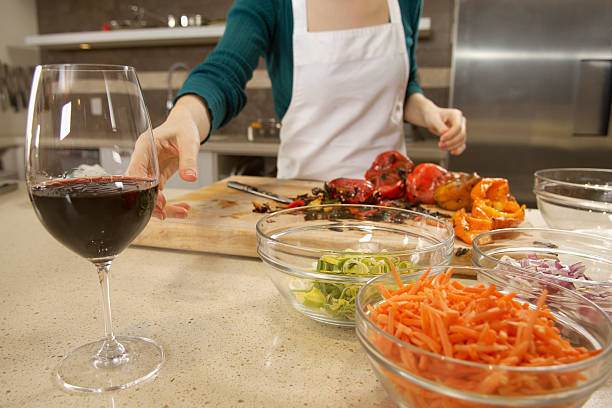
This recipe is built for real life. It uses ingredients you can find at any grocery store, skips the fussy overnight marinating, and leans on pantry staples you probably already have on hand. The result is a dish that tastes like it simmered for hours, but comes together in under forty minutes. Serve it over fluffy basmati rice, and you have a complete meal that will earn you requests for repeats.
First, let’s talk about the chicken. Traditionally, chicken tikka masala starts with marinated chunks of meat that are grilled or broiled before being added to the sauce. That step adds depth, but it also adds time and a dirty pan. For our quick version, we’ll skip the grilling. Instead, sear bite-sized pieces of boneless, skinless chicken thighs (they stay juicier than breasts) in a hot skillet until golden brown on the outside. Don’t overcook them—they’ll finish cooking in the sauce. Once the chicken is browned and set aside, the same pan becomes the base for your masala. That browned goodness from the pan is pure flavor.
For the sauce, you want a balance of warm spices, tangy tomatoes, and creamy richness. Start by sautéing a finely chopped onion until soft and translucent, then stir in garlic and fresh ginger. The aromatics are non-negotiable here—they provide the aromatic backbone. Next, add ground cumin, ground coriander, turmeric, and a pinch of garam masala. Toast the spices for a minute until they smell fragrant, then pour in a can of crushed tomatoes. Let that simmer for a few minutes to meld the flavors. Finally, stir in a cup of heavy cream or full-fat coconut milk for a luscious texture. The cream tames the acidity of the tomatoes and gives the sauce its signature velvety finish.
Return the browned chicken to the pan, along with any juices that collected on the plate. Let everything bubble together for about ten minutes, just until the chicken is cooked through and the sauce has thickened slightly. Taste and adjust the salt—you might want a pinch of sugar if the tomatoes are overly acidic, or a squeeze of lemon juice to brighten things up. The beauty of this dish is that you can dial it in to your own preferences. If you like heat, add a minced serrano or a teaspoon of chili powder along with the spices.
While the masala simmers, cook your rice. Basmati is the classic choice because its long, fluffy grains stand up to the sauce without getting mushy. Rinse the rice under cold water until the water runs clear, then cook it with a pinch of salt and a pat of butter or a teaspoon of oil. You can use a rice cooker, an Instant Pot, or a simple pot on the stove—whatever works for your evening rhythm. The goal is to have the rice ready just as the masala finishes.
This meal comes together with remarkably little hands-on time. Most of the effort happens in the first ten minutes of browning and sautéing. After that, it’s mostly simmering and stirring. That means you can set the table, pour a drink, or help a child with homework while dinner practically cooks itself. For busy households, that kind of efficiency is a gift.
One of the best parts about this recipe is how adaptable it is. You can swap the chicken for chickpeas and cauliflower for a vegetarian version that is just as satisfying. You can make it ahead and reheat it gently the next day—the flavors only get better. And you can serve it with naan, roti, or even a side of roasted vegetables if you want to round out the meal. It’s a forgiving dish that rewards improvisation.
Chicken tikka masala is often called the national dish of the United Kingdom, a testament to how immigrant cuisines have woven themselves into the fabric of everyday cooking. But you don’t need to travel to London or visit a restaurant to enjoy it. With this streamlined recipe, you can make it right in your own kitchen, any night of the week. The spices are warm, the sauce is creamy, and the rice soaks up every drop. It feels like a special occasion, but it’s just dinner—and that’s exactly the point. So go ahead, grab your skillet and your can of tomatoes. Dinner goals are within reach.