

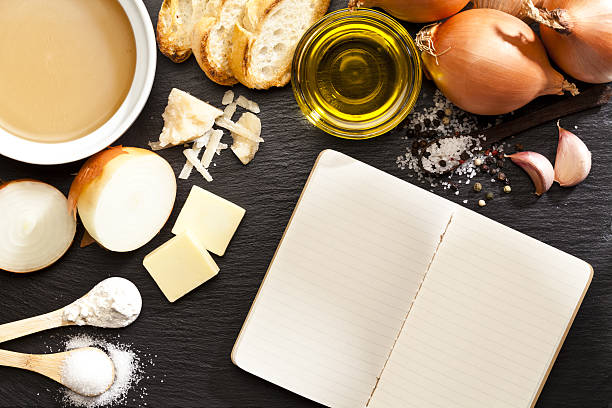
Most international cooking starts with aromatics. Think onion, garlic, ginger, scallions, shallots, or chiles. These are the first layers that make a kitchen smell like something wonderful is happening. In Mexican-inspired cooking, onion and garlic might meet cumin and oregano. In Thai-inspired dishes, ginger, garlic, and lemongrass create a bright, fragrant base. In Indian-inspired meals, onion, ginger, and garlic often soften with spices like turmeric, coriander, and garam masala. You do not need every traditional ingredient. You just need a few aromatics and a little fat, whether that is olive oil, neutral oil, butter, or ghee. Let them soften slowly, and you have already built a foundation.
Next comes the sauce, and this is where a simple dinner becomes unforgettable. A sauce can change the entire personality of the same protein and vegetables. Soy sauce, rice vinegar, and a little honey make a fast stir-fry glaze. Tahini, lemon, garlic, and water become a creamy Mediterranean-style drizzle. Coconut milk, curry paste, and lime create a warming curry that works with chicken, tofu, chickpeas, or shrimp. Canned tomatoes, olive oil, and dried herbs can turn pasta or white beans into an Italian-inspired comfort meal. Keep a few bottles and jars on hand, and you are never far from a flavorful dinner.
The format matters just as much as the flavor. A format is simply the shape of the meal: tacos, stir-fries, curries, pastas, sheet-pan dinners, or grain bowls. Choose a base like rice, noodles, tortillas, couscous, or flatbread. Add a protein such as chicken, ground meat, beans, eggs, tofu, or fish. Pile on vegetables, fresh or frozen. Then finish with a sauce and a crunchy topping. This formula works across countless cuisines. Taco night can become Korean-inspired with gochujang and pickled vegetables. A rice bowl can lean Greek with oregano, cucumber, tomatoes, and yogurt sauce. A noodle bowl can feel Vietnamese-inspired with lime, herbs, and a salty-sweet dressing.
Do not forget acid and crunch. These are the details that make a dish taste complete. A squeeze of lime, a splash of vinegar, or a spoonful of pickle can wake up a rich sauce. Crunch can come from peanuts, sesame seeds, fried onions, shredded cabbage, cucumber, or fresh herbs. If a dish tastes flat, it often needs acid rather than more salt. If it tastes heavy, it probably needs something fresh or crunchy. These small finishing touches take minutes but make a huge difference.
A global pantry does not have to be expensive or overwhelming. Start with a few versatile items and build over time. Olive oil, neutral oil, soy sauce, vinegar, canned tomatoes, coconut milk, curry paste or powder, tahini, peanut butter, dried spices, rice, noodles, and tortillas can cover a surprising number of meals. Frozen vegetables, canned beans, and rotisserie chicken can speed things up even more. The trick is to rotate what you have instead of chasing a long ingredient list for every new recipe.
Substitutions are your friend. No fish sauce? Use soy sauce with a squeeze of lime. No coconut milk? A splash of cream or oat milk with a little coconut extract can work in a pinch. No fresh ginger? Ground ginger is fine. No cilantro? Parsley or scallions can step in. International cooking is not about getting every detail perfect. It is about balancing salty, sweet, sour, spicy, and savory in a way your household enjoys.
It also helps to plan components instead of full recipes. Cook a pot of rice. Roast a tray of vegetables. Make a sauce. Brown some protein. Then mix and match throughout the week. Roasted chicken with lemon and oregano can become pita sandwiches with tahini sauce one night and a rice bowl with cucumbers and tomatoes the next. Taco-seasoned ground turkey can top nachos, fill lettuce wraps, or mix into a salad. This approach reduces waste, saves time, and keeps dinner from feeling boring.
Keep heat and spice adjustable, especially when feeding different ages and preferences. Serve spicy sauce on the side. Use mild curry paste and let people add chili crisp if they want. Set out lime wedges, herbs, yogurt, and pickles so everyone can build a bowl or plate that suits them. That small bit of choice makes dinner feel fun rather than fussy.
You do not have to master a new cuisine in one night. Pick one dish, notice its pattern, and try it again with different ingredients. Maybe this week is stir-fry. Next week is tacos. The week after, try a coconut curry or a lemony pasta. Before long, you will stop thinking of international food as complicated and start seeing it as a set of flexible skills. Dinner can be exciting, fast, and family-friendly all at once. Pick a format, choose an aromatic, stir in a sauce, and finish with something bright and crunchy. Your weeknight table just got a lot more interesting.