

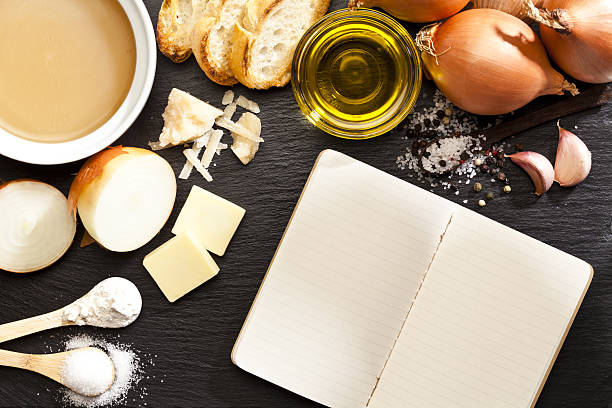
The journey begins long before the camera comes out. A great recipe starts with understanding your ingredients as artists understand their paints. Bright red tomatoes, deep green herbs, glossy olive oil, and the golden crust of a freshly baked bread all carry their own visual weight. When you choose ingredients that naturally contrast in color and texture, you set yourself up for success. For example, a simple weeknight pasta becomes instantly more photogenic when you sprinkle vivid basil ribbons over creamy sauce and finish with a shower of flaky sea salt. The secret is to think about the final picture while you’re still chopping. This doesn’t mean you need fancy garnishes or exotic produce. It means paying attention to the vibrant, natural beauty of what you already have in your fridge.
Timing is everything in both cooking and capturing the moment. The perfect food selfie relies on light, but it also relies on freshness. A steaming bowl of soup looks comforting and rich, but let it sit for ten minutes and the steam fades, the surface thickens, and the magic dulls. Train yourself to plate and shoot while the dish is at its peak. That might mean setting up your phone or camera on a small tripod near your usual dining spot before you even start cooking. When the timer dings and you pull that roasted chicken from the oven, you’re not rushing to find the right angle. You’re ready. For busy households, this kind of preparation turns a hectic dinner rush into a flow. You stir, you season, you plate, and you snap. The meal gets eaten hot, and the memory is captured warm.
Composition matters more than most home cooks realize. You don’t need a professional studio to make your recipe look magazine-ready. Start by choosing a simple backdrop—a wooden cutting board, a clean kitchen towel, or a neutral ceramic plate. Avoid clutter. Let the food be the star. Place your main dish slightly off-center, and then add small touches that tell the story of the meal. A stray sprig of rosemary, a half-squeezed lemon, a crumpled napkin, or a fork resting beside the plate. These little details create depth and make the viewer feel like they’re about to sit down at your table. They also hint at the love and effort that went into the recipe itself. When people see a thoughtfully staged shot, they trust that the recipe will deliver on flavor, too.
Of course, the heart of mastering the recipe is still about taste. No amount of clever lighting or background props can save a dish that fell flat. But here’s the beautiful truth: when you cook with care, your confidence shows. That confidence translates into how you hold the plate, how you angle the shot, and even how you describe the food in your caption. If your family devoured that sheet pan chicken in under fifteen minutes, that joy radiates through the photo. Lean into the honest moments. Capture the slightly messy edge of the casserole where cheese bubbled over. Photograph the crumbs left on the plate after the last bite. Authenticity resonates far more than sterile perfection.
Finally, remember that the art of the recipe extends beyond the photograph. Every time you share a food selfie, you’re inviting someone else into your kitchen. You’re showing that dinner doesn’t have to be complicated to be beautiful, and that even a Tuesday night stir-fry can feel like a small celebration. For the busy households that visit Dinner Goals, those shared moments are what make meal planning worthwhile. So next time you follow a recipe, pause before you eat. Look at what you’ve made. Arrange it with intention. Snap that picture. Then sit down, enjoy every bite, and know that you’ve mastered not just a meal, but a moment. The recipe lives on in the memory—and on your feed.