

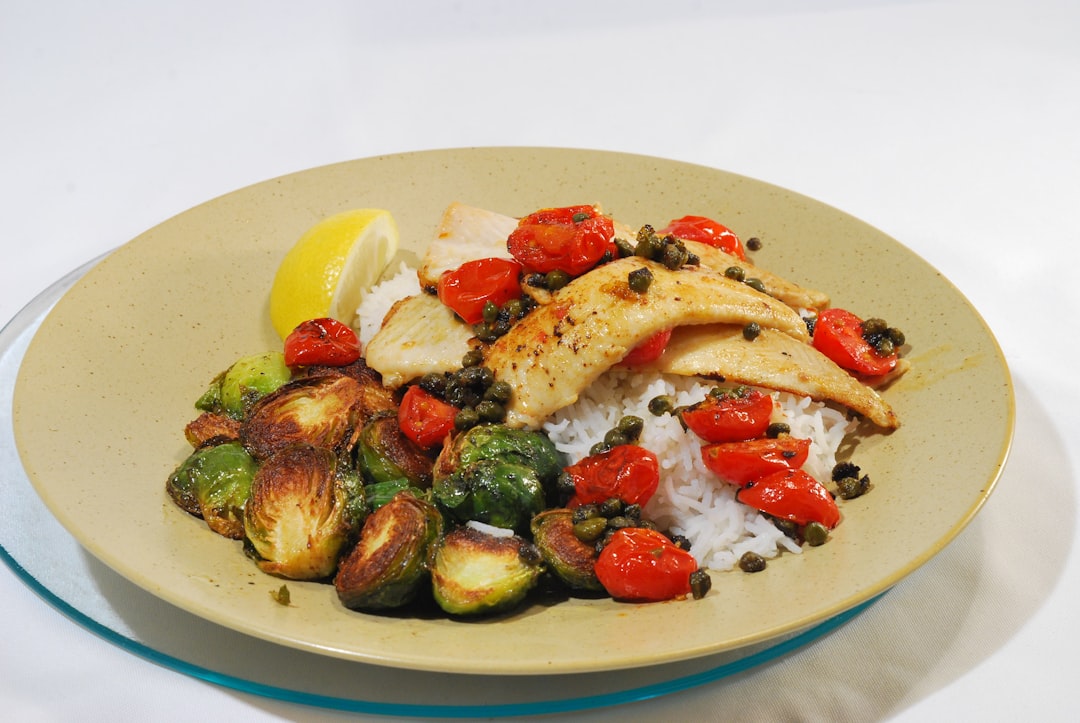
Let’s start with the dinner mindset. Planning is not about rigid meal plans that fall apart the moment you forget to thaw the chicken. It’s about building a framework that adapts to your life. The stir-fry template is a perfect example. Think of it as a formula: protein plus vegetables plus a sauce plus a base. That’s it. You can swap any of these components based on what’s in season, what’s on sale, or what’s about to go bad in your crisper drawer. This is not a recipe you memorize; this is a system you internalize.
When you adopt a template mindset, grocery shopping becomes less stressful. You don’t need a specific list for each night. Instead, you buy a few versatile proteins, a rainbow of vegetables, and a handful of pantry staples for sauces. Soy sauce, sesame oil, garlic, ginger, and a little cornstarch will get you through dozens of variations. If you have rice or noodles on hand, you’re already halfway to dinner. This reduces decision fatigue and last-minute takeout temptations.
Now let’s walk through the template step by step, using a different protein each time so you can see how easily it shifts.
Start with your protein. For chicken, slice boneless skinless thighs or breasts into thin strips. For beef, flank steak or sirloin works beautifully sliced against the grain. Shrimp is the fastest option—just peel and devein. Tofu benefits from pressing out excess moisture and then crisping in a hot pan before adding sauce. Whatever you choose, season it lightly with salt and pepper, and maybe a splash of soy sauce. Cook it in a hot wok or skillet with a little oil until just done, then set it aside.
Next come your vegetables. This is where the template really sings. Onions, bell peppers, broccoli, snap peas, carrots, mushrooms, zucchini, bok choy, cabbage, green beans—almost any vegetable can join the party. The key is to cut them into similar-sized pieces so they cook evenly. Add aromatics like minced garlic and grated ginger after the protein is out and the pan is still hot. Then toss in the harder vegetables first, like carrots and broccoli, followed by quicker-cooking ones like bell peppers and snap peas. Stir-fry them until they are bright and slightly tender but still have crunch.
Now for the sauce. This is your flavor anchor. A basic stir-fry sauce is equal parts soy sauce and a liquid like chicken broth or water, plus a splash of rice vinegar or mirin for acidity, a little sugar or honey for balance, and a teaspoon of cornstarch mixed in to thicken. From here, you can customize endlessly. Add chili garlic paste for heat. Stir in hoisin or oyster sauce for depth. Use coconut aminos if you’re avoiding soy. The sauce should be ready in a small bowl before you start cooking, so you can pour it in at the end and let it bubble and coat everything.
Combine everything back into the pan, protein and vegetables together, then pour the sauce over the top. Stir and toss until the sauce thickens and clings to each piece. Taste and adjust with a little extra salt, acid, or sweetness. Serve over steamed rice, noodles, or even cauliflower rice for a lighter option. If you want to stretch the meal, add a fried egg on top or a handful of chopped peanuts and fresh cilantro.
Let’s put this into practice with three real-world variations. For a chicken and broccoli stir-fry, use chicken thighs, broccoli florets, garlic, and a simple soy-sesame sauce with a pinch of red pepper flakes. For beef and bell peppers, use flank steak, red and green bell peppers, onion, and a sauce with oyster sauce and a touch of brown sugar. For shrimp and snap peas, use shrimp, snap peas, shredded carrots, and a sauce with ginger, garlic, and a squeeze of lime at the end. Each one takes about fifteen minutes of active cooking and feels completely different.
The beauty of this dinner template is that it removes the pressure to follow a script. You don’t need to search for a new recipe every time you want stir-fry. You just need to remember the formula. Protein, vegetables, sauce, base. Over time, you’ll develop instincts. You’ll know that adding a little more cornstarch makes a thicker sauce, or that a handful of bean sprouts at the end adds freshness. You’ll learn which vegetables you love and which ones you hate. That’s the real goal of Dinner Goals: not perfection, but confidence.
So next time you’re standing in the grocery aisle or staring into your fridge, remember the template. Pick a protein. Grab a few vegetables. Whisk together a sauce. Then cook with intention and ease. Dinner doesn’t have to be a puzzle. It can be a flexible, repeatable, endlessly delicious routine. And that is the art of the dinner template.