

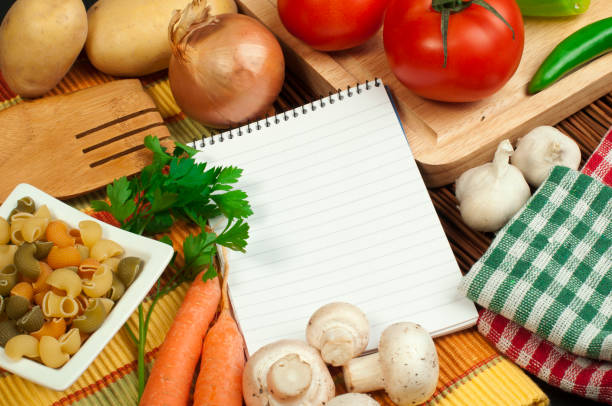
The real magic happens when you think about color, not just quantity. A plate filled with only green beans is fine, but it misses the variety of nutrients your body craves. Different colors represent different vitamins, minerals, and antioxidants. Red vegetables like bell peppers and tomatoes are rich in lycopene, which supports heart health. Orange and yellow options such as carrots and sweet potatoes bring beta-carotene for strong immunity and good vision. Dark leafy greens like spinach and kale pack iron and calcium. Purple produce like eggplant and red cabbage delivers anthocyanins, which help fight inflammation. By adding a rainbow to your plate, you are giving your body a full toolkit for wellness. And the best part? You do not need to count anything. Just look at your plate and ask yourself if there are at least two or three colors present.
Now, how do you actually do this on a weeknight without turning dinner into a science project? The secret is using vegetables in ways that fit your schedule. Roasting is your best friend. Chop up a mix of broccoli, bell peppers, and cherry tomatoes, toss them with a little olive oil, salt, and pepper, then roast at four hundred degrees for twenty minutes. While they cook, you can prepare your protein and starch. Another trick is to incorporate vegetables into dishes you already love. Add grated zucchini to pasta sauce, mix chopped spinach into scrambled eggs for a breakfast-for-dinner option, or stir frozen peas and carrots into rice. Canned and frozen vegetables are just as nutritious as fresh, sometimes even more so because they are picked at peak ripeness. Keep bags of frozen broccoli, cauliflower, and mixed peppers in your freezer for nights when fresh produce is running low. This way, you always have a colorful backup plan.
Texture also plays a big role in making vegetables feel satisfying rather than like an obligation. Crunchy raw vegetables like cucumbers and snap peas add freshness alongside a warm main dish. Creamy roasted eggplant or butternut squash can mimic the richness of heavier ingredients. And do not forget about flavor boosts. A squeeze of lemon juice, a sprinkle of Parmesan cheese, a dash of smoked paprika, or a drizzle of tahini dressing can transform plain veggies into something you actually look forward to eating. The key is to prepare them with intention, not just as an afterthought. When vegetables are seasoned well and cooked properly, they become the star of the plate, not a sad side dish.
For busy households, consistency matters more than perfection. You do not need every single dinner to have five different vegetable colors. Start with one simple swap. Maybe tonight you add a handful of baby spinach to your stir-fry. Tomorrow, try roasting a tray of carrots and parsnips alongside your chicken. Over time, these small habits build into a natural rhythm. Your plate will start to look more balanced without constant effort. And when you sit down to eat, you will notice how much more satisfying a colorful meal feels. It looks vibrant, tastes fresh, and leaves you feeling energized rather than sluggish.
The goal here is not to make vegetables a chore. It is to make them the foundation of a dinner that supports your wellness and fits your real life. At Dinner Goals, we believe that building a balanced plate should be simple, flexible, and achievable for households of any size. So next time you are plating your meal, take a moment to glance at the colors. If half your plate is filled with a mix of reds, greens, oranges, and purples, you are doing something wonderful for your body and your dinner routine. And that is a goal worth celebrating.