

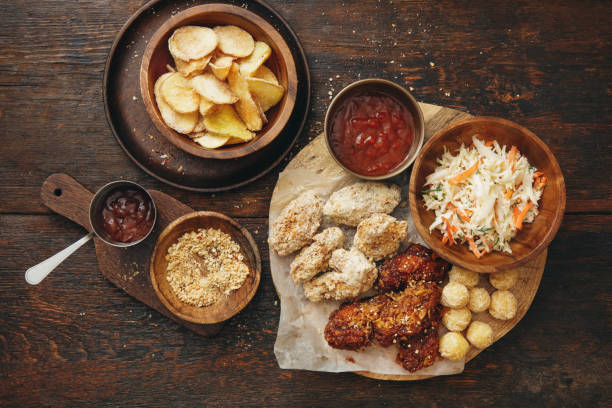
When you think of German cuisine, you might imagine hearty sausages, rich stews, or dense rye breads. And you’d be right. But the schnitzel—a thin, breaded cutlet, traditionally veal or pork, fried to a shatteringly crisp finish—is perhaps the most beloved European classic of all. It’s the kind of dish that bridges generations: kids love the crunchy texture, adults appreciate the simplicity, and everyone benefits from the bright pop of lemon that cuts through the richness. On Dinner Goals, we want you to feel empowered to create this masterpiece without stress, so here’s a recipe designed for busy households of any size. No complicated techniques, no rare ingredients—just honest food that tastes like a hug.
First, let’s talk schnitzel. The key is a thin cutlet, about a quarter-inch thick. If you’re using pork loin or chicken breast (common and affordable swaps), place it between two sheets of plastic wrap and gently pound it with the flat side of a meat mallet or even a rolling pin until it’s even. This tenderizes the meat and ensures quick, even cooking. Then, set up a simple breading station: a shallow bowl of all-purpose flour, another of two beaten eggs (seasoned with a pinch of salt and pepper), and a third of fine breadcrumbs. For an extra touch of refinement, mix in a tablespoon of grated Parmesan or a pinch of paprika for color. Press the cutlet first into flour, shaking off excess, then into egg, letting it drip, then into breadcrumbs, pressing gently so the coating sticks. Let it rest on a plate for five minutes—this helps the crust adhere during frying.
Now, heat a generous amount of neutral oil (like canola or sunflower) in a large skillet over medium-high heat. You want about a quarter-inch of oil—enough to come halfway up the cutlet. When it shimmers, carefully place the schnitzel in the pan. Do not crowd it; cook one or two at a time. Fry for about three minutes per side, until deep golden brown and perfectly crisp. Transfer to a paper towel-lined plate and immediately season with a pinch of salt. The lemon wedge is non-negotiable—squeeze it over the hot schnitzel for that essential acidic spark that makes this dish sing.
Now for the potato salad. While the schnitzel rests, you can prepare the side that makes this a complete plate. German potato salad is different than the American version; it’s warm, tangy, and often vinegar-based rather than mayonnaise-heavy. Boil small waxy potatoes (like Yukon Golds or red potatoes) until tender but firm, then slice them while still warm. In a separate bowl, whisk together a quarter cup of apple cider vinegar, two tablespoons of Dijon mustard, a tablespoon of sugar, and a quarter cup of chicken or vegetable broth. Slowly drizzle in two tablespoons of olive oil while whisking. Toss the warm potato slices with this dressing, then fold in finely diced red onion and a generous handful of fresh parsley. Let it sit for five minutes so the potatoes absorb the flavors. The result is a bright, savory side that balances the richness of the schnitzel beautifully.
If you’re feeding a crowd, double the recipe easily. For a smaller household, the leftovers (if any!) are fantastic cold for lunch the next day. And here’s a Dinner Goals secret: the schnitzel itself reheats surprisingly well in a hot oven or air fryer—just avoid the microwave, which will turn the crust soggy.
As you plate this meal, arrange the schnitzel at an angle, with the lemon wedge perched beside it like a little sun. Spoon the warm potato salad alongside, and maybe add a simple green salad with a light vinaigrette if you want extra veggies. Pour yourself a crisp German pilsner or a glass of sparkling water with lemon, and take a moment to appreciate what you’ve just created. This is not just dinner; it’s a journey across borders, a nod to tradition, and a testament to how a few humble ingredients can become something extraordinary.
So next time you’re staring down a busy week, remember this European classic. It’s rustic enough for a weeknight, refined enough for guests, and, most importantly, it’s doable. Welcome to Dinner Goals, where the world is on your plate, one schnitzel at a time.