

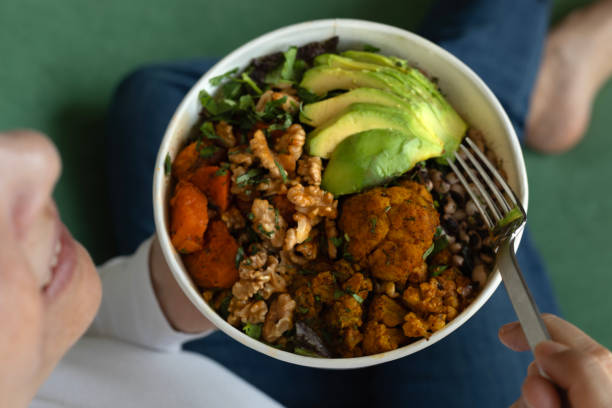
At Dinner Goals, we believe that every busy household needs a few core templates in their back pocket. A template isn’t a rigid recipe; it’s a structure that asks only one thing of you: a grain, a protein, a vegetable, a sauce, and maybe a crunch. That’s it. And within that simple frame, you can build a thousand different dinners while using exactly what you already have. The grain bowl is the perfect ambassador for this mindset because it actively invites scavenging, improvising, and celebrating leftovers.
Think about the strategy behind a great grain bowl. First, you choose your base. Maybe it’s fluffy brown rice you made on Sunday, or chewy farro, or nutty quinoa. The point is to cook a big batch of something sturdy at the start of the week. This is where planning meets payoff. When you have a ready grain in the fridge, you’re already halfway to dinner. It’s like having a secret weapon against takeout temptation.
Next comes the protein. This could be leftover roasted chicken from last night’s dinner, a quick sauté of ground turkey with cumin, a can of chickpeas crisped in the oven, or even a soft-boiled egg if you’re short on time. The trick is to think of your protein as a star, not a burden. You don’t need to cook something new every night. The grain bowl template thrives on repurposing. That extra pork chop from Tuesday? Slice it thin and let it shine on a bed of farro.
Vegetables are where your grain bowl becomes a work of art. And here’s the strategic part: you don’t have to cook them all. You might roast sweet potatoes and broccoli on a sheet pan while you scramble an egg. Or you might toss in raw shredded kale, thinly sliced radishes, and leftover grilled zucchini. The bowl doesn’t judge. It just needs color, texture, and variety. This is the perfect place to use up that last cucumber or the wilted herbs that are about to turn.
Now, the sauce. If you only master one thing in your grain bowl strategy, make it the sauce. A simple tahini lemon dressing, a spicy yogurt sauce, or a quick vinaigrette can transform a bowl from “fine” to “please make this again.” You can make a batch of sauce on Sunday and use it all week. The sauce is the glue that holds the template together. It coats the grain, dresses the vegetables, and makes every bite feel intentional.
Finally, a crunch. Maybe it’s toasted sesame seeds, crushed tortilla chips, roasted chickpeas, or a handful of almonds. That final texture is the secret to a bowl that feels complete. Without it, you risk a sad pile of mush. With it, you get a dinner that pops.
The real beauty of the grain bowl as a Dinner Template is that it removes the pressure of perfection. You don’t have to follow a recipe. You don’t need a shopping list of exotic ingredients. You just need a strategy: cook your grain ahead, keep a rotation of proteins and vegetables, make a sauce you love, and always have something crunchy handy. On busy nights, you can assemble a bowl in under ten minutes. On weekends, you can take your time and make something elaborate. The template bends to your schedule, not the other way around.
So the next time you feel that familiar dinner dread, remember the grain bowl. It’s not just a meal; it’s a mindset. It’s permission to use what you have, to trust your instincts, and to stop treating dinner like a chore. With a grain bowl, you’re not cooking against the clock. You’re building something beautiful, bite by bite, with the confidence that comes from having a plan.
Start with your favorite grain. Add whatever looks good. Drizzle your go-to sauce. Crunch something on top. That’s your template. That’s your strategy. That’s how you master dinner without losing your mind.