

First, change the question. “What do you want for dinner?” sounds innocent, but it often opens a floodgate of unrealistic requests, forgotten preferences, and negotiations that go nowhere. Instead, offer a frame. “Taco night: beef, chicken, or beans?” “Pasta: red sauce or pesto?” “Stir-fry: rice or noodles?” This gives everyone a voice without turning the kitchen into a debate club. Kids especially thrive with choices within boundaries. They feel ownership, and you keep your sanity. The same works for adults who are tired of deciding everything. A few good options can be more helpful than an open-ended invitation to dream up a five-course meal.
Next, create a weekly rhythm. A ten-minute family huddle on Sunday, or whatever day works for your household, can transform the week. Put it on the calendar. Ask about practices, late meetings, soccer games, tests, and appointments. Then map dinners to reality. A busy night calls for leftovers, a sheet-pan meal, or breakfast for dinner. A slower evening might be perfect for trying a new recipe someone has been eyeing. The point is not a flawless schedule. The point is shared awareness. When everyone knows Tuesday is chaotic, nobody expects a three-course meal. This also makes shopping easier. A running grocery list on the fridge or a shared note means anyone can add what they notice is missing.
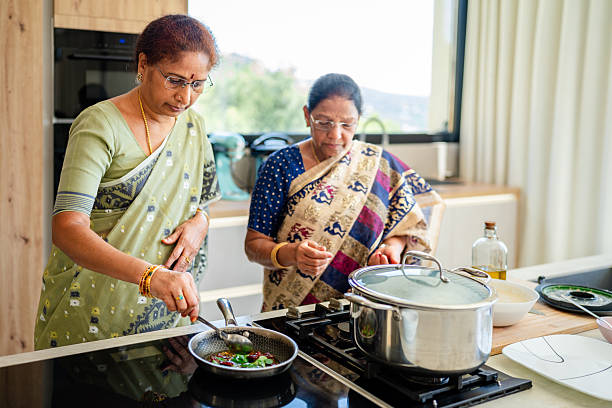
Then assign roles. Not everyone needs to cook. Dinner has many jobs: choosing, checking ingredients, washing produce, setting the table, filling water glasses, clearing plates, and wiping counters. Even young children can tear lettuce, stir batter, or carry napkins. Teenagers can own one night a week, whether it is a simple pasta dish or breakfast-for-dinner. Adults can rotate planning, shopping, cooking, and cleanup. The goal is not equal minutes every single day. The goal is shared responsibility over time. If one person hates cooking but does not mind dishes, let them take cleanup. If someone loves browsing recipes, make them the scout. Matching tasks to temperament makes everyone more likely to help without a sigh.
Make it fun when possible. Theme nights can be silly and simple: Taco Tuesday, breakfast for dinner, build-your-own bowls, or pizza night with store-bought dough. You do not need to be a chef. The novelty gets people interested. A family taste test can be as easy as trying two kinds of apples or comparing jarred sauces. Rate meals with a quick thumbs up, thumbs sideways, or thumbs down. Keep feedback kind. “I did not love it” is fine, but “this is gross” is not. Thank the person who cooked or helped, even if the meal was just okay. Gratitude keeps the effort going.
Also plan for the mental load. The invisible work of remembering, deciding, and delegating is real. Write down the plan where everyone can see it. A whiteboard, paper calendar, or shared note works. If someone asks what is for dinner, point to the plan instead of reciting it from memory. This reduces repeated questions and gives everyone a chance to help. When plans change, update it together. Flexibility is part of the strategy, not a failure. A good plan is a living thing, not a contract carved in stone.
Involve family in shopping too. Younger kids can help find items or cross them off the list. Older kids can compare prices or choose a new fruit. If shopping together is not possible, ask for input before you go. A simple “pick one snack and one dinner vegetable” gives them skin in the game. At home, let them help put groceries away. They will learn where things live and become more independent. These small moments add up to a household that runs with more teamwork and less resentment.
Finally, keep expectations realistic. Getting the whole family involved will not look like a cooking show. It will be messy and slow at first. Someone will complain. Someone will forget. That is okay. The point is connection and practice, not perfection. Over time, you will build a rhythm that makes dinner feel less like a burden and more like a team effort. And on the nights when everyone is tired and nothing goes according to plan, cereal or takeout can be part of the plan too. What matters is that dinner remains a shared part of family life, not a weight one person carries alone.