

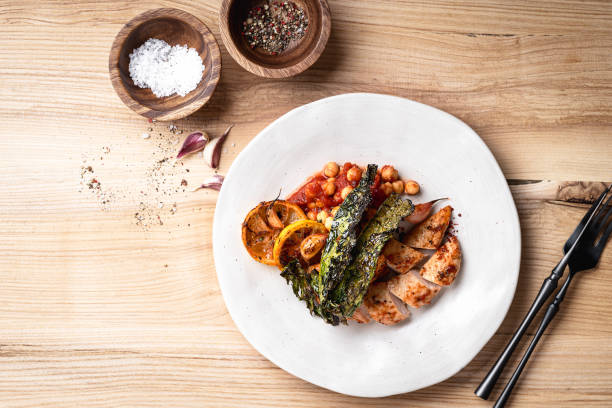
Lean protein simply means protein sources that deliver a lot of protein with less saturated fat and fewer calories. Think chicken breast, turkey, fish, shrimp, eggs, tofu, tempeh, beans, lentils, and Greek yogurt. These foods are practical. Protein takes longer to digest than carbohydrates alone, so it helps dinner hold you until breakfast. That matters on busy evenings when you need steady energy for homework, chores, conversations, or simply relaxing without a rumbling stomach.
One of the easiest ways to make dinner feel balanced is to build the meal around protein first, then add produce and a smart carbohydrate. If you start with salmon, you might roast it with broccoli and toss it with quinoa. If you start with ground turkey, you might cook it with garlic, tomatoes, and spinach, then spoon it over pasta. If you start with chickpeas, you might simmer them in coconut curry with cauliflower and serve it with rice. This approach gives the meal a center, and the rest of the plate supports it.
Flavor is where lean protein shines or falls flat. Because these proteins are mild, they’re excellent canvases for marinades, spice blends, citrus, herbs, and sauces. A little olive oil, lemon, garlic, and paprika can transform chicken. Soy sauce, ginger, and rice vinegar can make tofu or shrimp feel takeout-inspired. Cumin, coriander, and smoked paprika can give beans or lentils a warm, cozy depth. You do not need a long ingredient list. You need a few bold notes that make the protein taste like something you look forward to.
Texture matters too. Lean protein can dry out if it is cooked too long or without attention. Chicken and turkey benefit from moderate heat and a quick rest before slicing. Fish is often done as soon as it flakes. Shrimp need only a few minutes until pink. Tofu becomes appealing when pressed and browned until the edges crisp. Beans and lentils are forgiving and can simmer while you set the table. Paying attention to texture is the difference between a dinner that feels nourishing and one that feels like a chore.
For households of different sizes and adult ages, flexibility is key. A lean protein dinner can be scaled up for a crowd or kept simple for one or two. It can be mild for kids and spicy for adults with sauce on the side. It can be made ahead for lunches the next day. It can also respect different eating styles, whether someone prefers plant-based meals, pescatarian options, or traditional meat and vegetables. When you keep a few lean proteins on hand, dinner becomes less of a scramble and more of a choose-your-own-adventure.
Meal planning gets easier when you think in components rather than finished recipes. On a relaxed Sunday, cook a batch of shredded chicken, boil eggs, marinate tofu, or simmer lentils. During the week, combine those components with quick-cooking vegetables and a grain or bread. You might make lettuce wraps with ground turkey and crunchy carrots. You might warm black beans with corn, lime, and avocado for taco bowls. You might stir leftover salmon into rice with peas and eggs for quick fried rice.
So the next time you stare into the fridge wondering what dinner should be, start with a lean protein powerhouse. Add whatever vegetables need using, choose a grain or starch that sounds good, and finish with a sauce or seasoning that brings it together. You do not need perfect recipes every night. You need a simple rhythm that makes dinner possible. With lean protein at the center, weeknight meals can be faster, fuller, and a lot more delicious.