

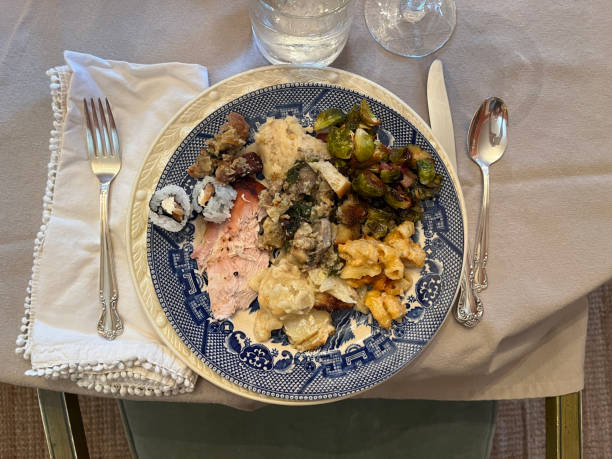
Think in components instead of finished dishes. Most meals are a protein, a starch, a vegetable, and something saucy. Once you see leftovers that way, possibilities open up. Leftover roast chicken can become taco filling, soup, a grain bowl, or pasta toss. Leftover rice can turn into fried rice, stuffed peppers, or crispy rice cakes. Roasted vegetables can be folded into a frittata, layered into a quesadilla, or stirred into tomato sauce. Even a small amount of pasta can become a baked dish with cheese and breadcrumbs. The trick is to stop asking, “What is this?” and start asking, “What can this become?”
Flavor shifts are your best friend. The same chicken and rice can feel completely different depending on spices, acids, and condiments. Cumin, smoked paprika, lime, and salsa push it toward taco night. Pesto, lemon, parmesan, and spinach make it feel Italian. Soy sauce, ginger, sesame oil, and scallions turn it into a fast stir-fry. Curry paste, coconut milk, and cilantro give you a cozy curry. You don’t need a full pantry overhaul. A few versatile sauces and spices make leftovers feel intentional.
Texture matters as much as flavor. Leftovers often suffer from sogginess or dryness, and fixing that is simpler than you think. Reheat roasted vegetables in a hot oven or skillet so they crisp again. Warm grains with a splash of water or broth, then fluff with a fork. Give soups and stews a new finish with citrus, yogurt, or fresh herbs. Add crunch with cabbage, cucumber, toasted nuts, or croutons. Stale bread becomes panzanella, breadcrumbs, or garlicky croutons that make a simple salad feel special.
Safety keeps the system stress-free. Cool leftovers within two hours, store them in shallow containers, and label with the date. Most cooked leftovers are best within three to four days. Reheat to steaming hot. If you won’t eat something in time, freeze it. A quick “first in, first out” habit helps too. Reach for the oldest container first. That tiny rule prevents sad science experiments and makes dinner decisions easier.
One of the most fun ways to transform leftovers is to turn dinner into a build-your-own situation. Set out tortillas, rice, beans, shredded chicken, roasted veggies, cheese, salsa, and crunchy bits. Everyone assembles their own plate, which means fewer complaints. You can do the same with a noodle bar, baked potato bar, or “clean out the fridge” stir-fry. Kids love choosing their own sauce or topping, and adults appreciate dinner in fifteen minutes. It’s not leftovers. It’s a buffet with a backstory.
A little planning makes the magic repeatable. Keep a designated spot in the fridge for leftovers that need to be used first. Stock flexible staples like eggs, tortillas, rice, pasta, broth, canned tomatoes, cheese, and sauces. When those are waiting, a container of roasted vegetables or shredded meat feels like a head start. You might plan a weekly “remix night” to use up what’s left before the next grocery run. That habit can cut food waste, save money, and take pressure off busy evenings.
Picture Sunday roast chicken becoming Monday tacos, Tuesday soup, and Wednesday pesto pasta. You aren’t cooking three meals from scratch. You are assembling, seasoning, and refreshing what you already made.
So tonight, open the fridge and ask a different question. Not “Do I have to eat this again?” but “What can this become?” With creativity, a few pantry helpers, and a willingness to mix things up, last night’s dinner can become tonight’s new favorite. Dinner goals are not about perfection. They are about making busy nights easier, tastier, and more satisfying.