

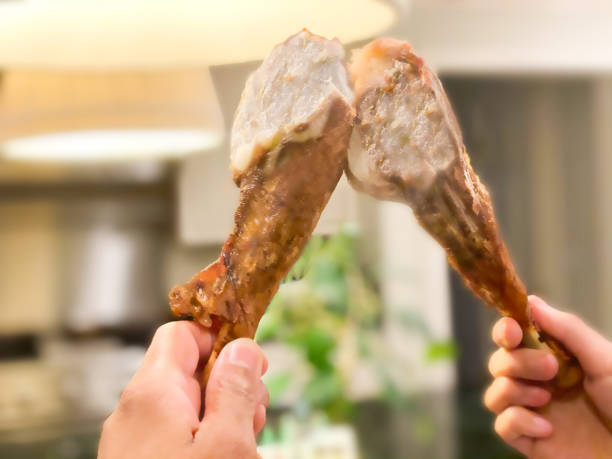
The best leftover makeovers begin before the first meal is even finished. When you are cooking dinner, think ahead about what extra ingredients could become later. If you are roasting chicken, cook a little more than you need. If you are making rice, double the batch. If you are chopping vegetables, cut a few extra. Store these components separately instead of mixing them into one container, because separate pieces give you more options later. Plain chicken can become tacos, soup, pasta, or a grain bowl. Plain rice can become fried rice, a quick soup, or a burrito bowl. Roasted vegetables can fold into eggs, quesadillas, or a creamy pasta sauce. By keeping components flexible, you give yourself a pantry of possibilities without any extra cooking on the busiest night.
A simple way to think about leftovers is to separate them into four categories: protein, grain, vegetable, and sauce. A new meal usually needs at least one of those to change. If you have leftover chicken and rice, the protein and grain can stay the same, but a new sauce changes everything. Add pesto and Parmesan and it becomes an Italian-inspired bowl. Add salsa, lime, and avocado and it becomes a Mexican-inspired plate. Add soy sauce, ginger, and a handful of frozen stir-fry vegetables and it becomes a quick Asian-style skillet. The ingredients are familiar, but the flavor direction is new. That is what keeps dinner from feeling like a repeat.
Storage matters just as much as creativity. Leftovers should be cooled fairly quickly and stored in shallow containers so they chill evenly. Label them with the date if your household tends to lose track, and plan to use them within three to four days for the best quality. Reheat until steaming hot, and if you are not sure you will use something in time, freeze it. Cooked grains, soups, stews, and many casseroles freeze beautifully. A well-stocked freezer becomes a backup plan for nights when takeout feels tempting but you know you have something better waiting at home.
The magic often comes down to texture and freshness. Leftover meat can dry out, so add moisture through broth, sauce, salsa, yogurt, or a squeeze of citrus. Leftover grains can clump, so break them up with a splash of water or broth as they reheat. Leftover vegetables can soften, so add crunch with fresh cabbage, cucumber, nuts, seeds, or pickled onions. A little acid, a little salt, and a handful of fresh herbs can wake up almost anything. These small additions take only minutes, but they make the meal feel intentional rather than recycled.
Consider a common example. Sunday roast chicken becomes Monday chicken tacos with warm tortillas, shredded cabbage, salsa, and lime. Tuesday, the remaining chicken goes into a quick soup with broth, carrots, and noodles. Wednesday, the last bits become a pesto pasta or a rice bowl with roasted vegetables. From one chicken, three dinners appear, and none of them feel like the same meal. The same approach works with taco meat, which can top nachos, fill stuffed peppers, or mix into a breakfast hash with potatoes and eggs. Leftover pasta can become a baked pasta dish, a pasta frittata, or a cold pasta salad with vinaigrette and crunchy vegetables. Even a small amount of roasted vegetables can become a frittata, a quesadilla filling, or a pureed soup.
To make this work on busy nights, keep a few rescue ingredients on hand. Tortillas, eggs, broth, rice, beans, cheese, frozen vegetables, and a couple of favorite sauces can turn almost any leftover into a fifteen-minute meal. A skillet, a sheet pan, or a microwave is often all you need. The goal is not to create a gourmet masterpiece. The goal is to get dinner on the table with less stress and less waste.
Involving the household can make leftover night more fun, too. Let everyone choose their format: taco, bowl, soup, sandwich, or salad. Set out toppings and let people build their own plate. Kids can assemble, adults can spice things up, and picky eaters can leave off what they do not want. That small bit of choice turns leftovers from a duty into a dinner win.
Leftovers transformed are not just about saving money, though that is a nice bonus. They are about saving time, reducing decision fatigue, and making the most of the effort you already invested. When you cook once and eat well twice or three times, you give yourself breathing room on busy nights. So the next time you open the fridge and see extra food, do not see a repeat. See a starting point. Dinner is already halfway there.