

The first dish that deserves a standing ovation is a simple sheet pan lemon herb salmon with crispy potatoes. This recipe is a masterclass in efficiency and flavor alignment. The brilliance here is not in complexity but in timing. You toss small Yukon Gold potatoes with olive oil, salt, and dried rosemary, then roast them alone for ten minutes. Meanwhile, you season salmon fillets with a zest of lemon, a sprinkle of garlic powder, and a few sprigs of fresh dill. When you add the salmon to the same pan for the last twelve minutes, the fish cooks gently while the potatoes finish crisping. The result is a dinner where the potatoes are golden and crunchy, the salmon flakes under a fork, and the lemon brightens every bite. Mastering this recipe taught me that a great dish often relies on one simple principle: layering cooking times so that each component reaches its peak at the same moment. No separate pans, no extra cleanup, just pure dinner harmony.
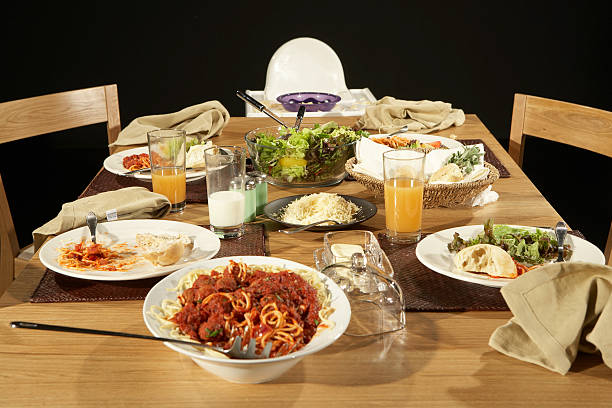
The second standout is a one-pot creamy tomato basil pasta that feels like a hug in a bowl. This recipe is a revelation for anyone who has ever stared at a sink full of dirty cookware after a long day. You start by sautéing diced onion and minced garlic in olive oil until soft. Then you add a can of crushed tomatoes, a splash of vegetable broth, and a cup of heavy cream, stirring until the sauce turns a beautiful coral pink. The uncooked pasta goes right into the pot—penne or fusilli work best—along with a generous handful of fresh basil. You cover it and let it simmer for about fifteen minutes, stirring occasionally to prevent sticking. The pasta absorbs the liquid as it cooks, and the starch from the pasta thickens the sauce naturally. When you lift the lid, the scent of basil and garlic fills your kitchen, and the sauce clings to every noodle like it was meant to. What I love about this dish is how it teaches you to trust the process. You don’t need to boil pasta separately, drain it, or dirty a colander. You just let the ingredients do their work together. It is a lesson in patience and confidence—two traits every busy cook needs.
The third dish that reshaped my approach to dinner is a five-ingredient slow cooker chicken taco filling that tastes like it simmered all day in a Mexican grandmother’s kitchen. The ingredients are almost laughably simple: boneless chicken thighs, a jar of salsa verde, a can of fire-roasted diced tomatoes, a handful of fresh cilantro, and a squeeze of lime. You toss everything into the slow cooker in the morning, set it on low for six hours, and go about your day. When you return, the chicken is so tender it shreds with a fork, and the salsa verde has melded with the tomatoes into a tangy, savory sauce. You can serve it in warm corn tortillas with avocado and pickled onions, or over rice with a dollop of sour cream. This dish mastered the art of the recipe by proving that flavor does not require a long list of ingredients. It requires balance—acid from the salsa, heat from the tomatoes, freshness from the cilantro, and richness from the chicken. It also taught me that the best recipes are the ones that give you time back.
What these three dishes have in common is something that goes beyond taste. They each demonstrate an understanding of how real people cook on real nights. Sheet pan meals teach efficiency. One-pot pastas teach trust in technique. Slow cooker dishes teach the value of planning ahead. Mastering the art of the recipe is not about memorizing complex techniques or hunting down rare spices. It is about learning how ingredients interact, how timing shapes texture, and how a good recipe anticipates your next question before you ask it. For anyone trying to make dinner a less stressful part of the day, these dishes are more than meals—they are blueprints for a better relationship with your own kitchen.
So the next time you scroll through a recipe and feel overwhelmed, remember that the best dishes often come from the simplest instructions. Start with a salmon and potato sheet pan night. Let the pasta cook in its own sauce. Let the slow cooker do the heavy lifting. You might just discover that mastering the art of the recipe is not about perfection. It is about showing up, trusting the process, and enjoying the meal that follows.