

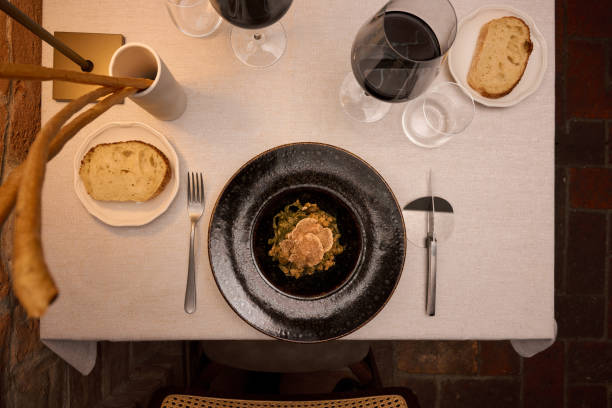
Comfort food in North America is a wide table. Indigenous ingredients like corn, beans, squash, maple, and wild rice were here long before any written recipe. Later, European, African, Caribbean, Asian, and Latin American cooks added their own traditions, often making do with what was affordable and available. That is how dishes like cornbread, gumbo, meatloaf, pierogi, tamales, and Sunday roast became part of the same broad story. They are not identical, and they should not be. Their power comes from being deeply local and deeply personal.
The most beloved classics tend to share a few traits. They are forgiving. They are filling. They usually involve a familiar trio of ingredients: something starchy, something savory, and something rich. Macaroni and cheese fits that formula perfectly, with pasta, cheese, and a creamy sauce that can be as simple or as fancy as the cook desires. Meatloaf works the same way, stretching ground meat with breadcrumbs, oats, or crushed crackers, then glazing it with ketchup, brown sugar, or tomato sauce. Chili simmers beans, tomatoes, peppers, and spices into a pot that welcomes whatever is in the pantry. Pot roast turns a tough cut into tender, gravy-soaked Sunday dinner. These dishes are not precious. They are practical.
Region by region, the comforts change. In the South, fried chicken, biscuits, gravy, collard greens, and cornbread carry memories of Sunday suppers and community gatherings. In New England, chowder, baked beans, and maple-glazed everything warm up cold nights. The Midwest has hotdish, a practical casserole of noodles, meat, vegetables, and creamy soup that feeds a crowd without fuss. The Southwest brings chili, cornbread, enchiladas, and slow-cooked beans with smoky chiles. In Canada, tourtière, poutine, butter tarts, and hearty stews tell their own stories of French, British, and Indigenous influence. Across the continent, comfort food is less a single recipe than a conversation between place and people.
For busy households, these dishes are dinner-planning gold. Many of them can be made ahead, frozen, or stretched with extra vegetables. A pot of chili can become nachos on Friday, baked potatoes on Saturday, and a topping for macaroni on Sunday. A roasted chicken can turn into sandwiches, soup, and a quick casserole. Meatloaf leftovers make excellent sandwiches. Macaroni and cheese can be baked in individual portions or kept saucy on the stovetop. The goal is not to spend hours in the kitchen. It is to build a little breathing room into the week while still putting something satisfying on the table.
Modern cooks are also giving these classics a thoughtful update. They add pureed squash to macaroni and cheese, sneaking in color and nutrients. They use whole-grain breadcrumbs in meatloaf, or swap half the beef for mushrooms or lentils. They season chili with more vegetables and less salt, then let everyone add their own toppings. They roast chicken with lemon and herbs instead of relying on a heavy sauce. These changes do not ruin the comfort. They simply make the comfort last, fitting the way many adults want to eat now: flavorful, flexible, and not too complicated.
Perhaps the real magic of North American comfort food is that it makes room. It makes room for the picky eater who wants plain noodles and the adventurous one who piles on hot sauce. It makes room for a Tuesday night and a holiday table. It makes room for old family recipes and new ones created from what is already in the fridge. The dishes may be simple, but the message is generous: sit down, take a breath, and eat something that cares for you. That is a dinner goal worth keeping.