

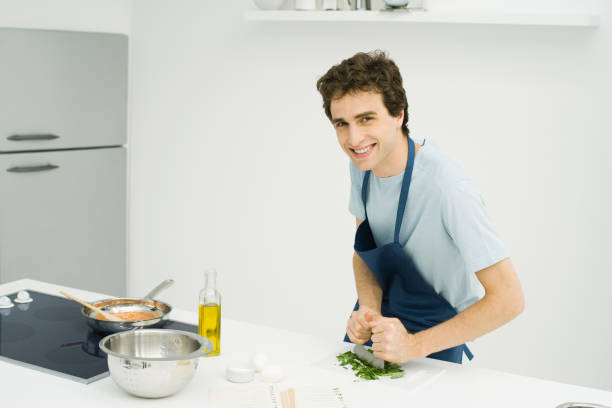
Let’s talk about strategy. The biggest mistake busy cooks make is treating dinner as a nightly surprise. They open the fridge, stare at leftovers and random produce, and hope inspiration strikes. That’s not a strategy; it’s a gamble. A dinner template, by contrast, is a simple framework you can rely on without thinking. For our purposes, a template might look like this: eggs + vegetables + any leftover protein + cheese (optional) + heat. That’s it. No matter what you have in the crisper drawer or the back of the fridge, this template works. It’s the ultimate “use it up” meal, which also means less food waste and more money in your pocket.
Now, why an omelet versus a frittata? It’s not about which is better—it’s about which fits your energy level. An omelet requires a bit more technique. You need to whisk eggs until fluffy, pour them into a hot buttered pan, let the bottom set, add fillings, then fold. It feels a little fancy, like you’re a brunch chef in your own kitchen. That’s great on a night when you have ten minutes and want something elegant. But if you’re running on fumes, the frittata is your low-effort hero. You don’t fold anything. You just whisk the eggs, stir in your fillings, pour the mixture into an oven-safe skillet (or a pan you can cover), and cook until set. You can even start it on the stovetop and finish under the broiler. No flipping, no folding, no stress.
The real strategy lies in planning ahead. On Sunday, you can chop a few veggies—bell peppers, onions, mushrooms, spinach—and store them in a container. Grate some cheese. Cook a batch of sausage, ham, or tofu. Now, any night this week, you have a frittata or omelet ready in under fifteen minutes. The eggs themselves are the star because they’re cheap, full of protein, and take less time to cook than pasta or rice. You don’t even need a side dish; a slice of toast or a handful of cherry tomatoes counts as a balanced plate.
This is where the dinner template saves your sanity. Instead of asking, “What’s for dinner?” every night, you ask, “Which vegetables need to be used up today?” and “Do I feel like folding an omelet or just pouring a frittata?” You shift from reactive cooking to proactive cooking. You’re not a short-order cook in your own home; you’re a strategist with a simple, flexible plan. And because eggs are so forgiving, you can throw in almost anything: leftover roasted potatoes, cooked quinoa, a dollop of pesto, even a spoonful of salsa. The frittata especially can handle a lot of moisture without falling apart, making it a perfect vehicle for odds and ends.
Another key part of the dinner mindset is portion control and hospitality. A frittata can feed two people or six, depending on the size of your skillet and how many eggs you use. It’s equally good for a quiet weeknight dinner or a last-minute guest. You can serve it warm, at room temperature, or even cold the next day as a lunch. That’s the kind of versatility any busy household needs.
So here’s my challenge to you: pick one night this week and declare it “Egg Night.” Don’t overthink it. Open your fridge, grab five or six eggs, and whatever veggies and protein are lingering. If you have cheese, great. If not, no worries. Whisk everything together, add a little salt and pepper, and cook. If you’re feeling fancy, make an omelet. If you’re tired, make a frittata. Either way, you’ve just executed a dinner template that feeds you, reduces waste, and took fewer than twenty minutes. That’s not just cooking. That’s strategy.