

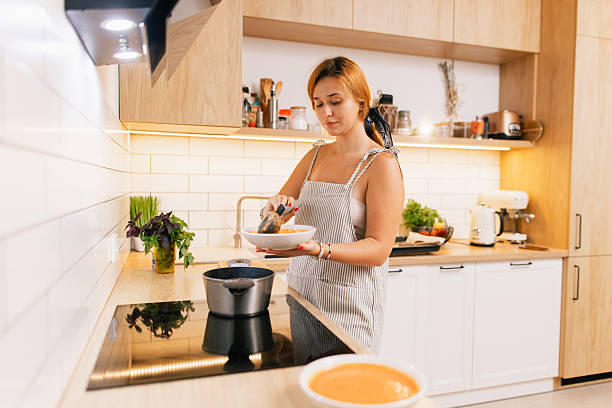
The beauty of one-pan cooking is that it meets real life. You can use a sheet pan, a deep skillet, a Dutch oven, or even a pot that goes from stove to oven. The vessel matters less than the strategy. Choose something that can hold everything without crowding, then build a meal that cooks in roughly the same amount of time. That is the quiet math behind every great one-pan dinner: protein plus vegetables plus something starchy or saucy, all sharing heat and flavor.
Start with a protein that can take a little patience. Chicken thighs, sausage, meatballs, salmon fillets, shrimp, tofu, and even canned beans work beautifully. If you are using something lean like chicken breast, cut it into even pieces so it cooks through before it dries out. If you are using shrimp, add it near the end. If you are using sausage, slice it and let its fat season everything else. The goal is not a perfect recipe; it is a reliable rhythm.
Then choose vegetables that can handle the same heat. Bell peppers, onions, broccoli, cauliflower, zucchini, green beans, asparagus, cherry tomatoes, and potatoes are all friendly teammates. The trick is to cut them to a similar size. A pan of giant potato chunks and delicate spinach will never cook evenly. Save tender greens for the final minutes, or stir them in after the pan comes out of the oven so they wilt in the leftover warmth.
The starch can be as simple as potatoes roasted alongside everything else, or as comforting as rice, orzo, or noodles cooked directly in the sauce. One-pot pasta is a busy-night magic trick. Dry pasta, broth, tomatoes, garlic, and seasonings go into the same pot, and the pasta releases starch that thickens the liquid into a sauce. You stir occasionally, but you do not boil a separate pot or drain a colander. The result feels like a deliberate dinner, even though it came together in one vessel.
Sauce is where one-pan dinners get their personality. A drizzle of olive oil, a spoonful of mustard, a splash of soy sauce, a squeeze of lemon, or a swirl of pesto can change the whole mood of the meal. If you are roasting, toss everything with oil and seasoning before it goes in the oven, then add a fresh finish after. If you are cooking on the stovetop, build flavor in layers: brown the protein, soften the vegetables, add liquid, and scrape up the browned bits. Those bits are not mess; they are dinner’s best flavor.
The cleanup rules are simple. Line your sheet pan with parchment or foil if you want to skip scrubbing. Use a skillet or pot that can go from burner to oven so you do not need a second baking dish. Chop vegetables on one cutting board, and if you are cooking meat, cut it after the vegetables or use a separate board for safety. While everyone eats, let the pan soak with warm water and a drop of soap. By the time plates are cleared, the worst of the cleanup is already done.
One-pan dinners are also forgiving in a way busy households need. You can double them for a crowd or scale them down for one or two. You can use what is in the fridge instead of chasing a specific ingredient. You can make them spicy or mild, saucy or crispy, vegetarian or meaty. That flexibility means fewer trips to the store and less guilt about the half-bag of carrots sitting in the drawer. It also means dinner can still happen on the nights when planning feels impossible.
The real win is not just fewer dishes. It is the way a one-pan dinner lowers the pressure. You are not managing five pots, three timers, and a sink full of regret. You are making one good thing, and you are making it work. Whether it is a sheet pan of sausage, peppers, and potatoes, a skillet of chicken and broccoli with rice, or a pot of pasta bubbling in tomato broth, the formula stays the same. Feed people. Use what you have. Keep the cleanup small.
On a busy night, that is not just dinner. It is a small kindness you give yourself. And it tastes even better when there is only one pan waiting in the sink.