

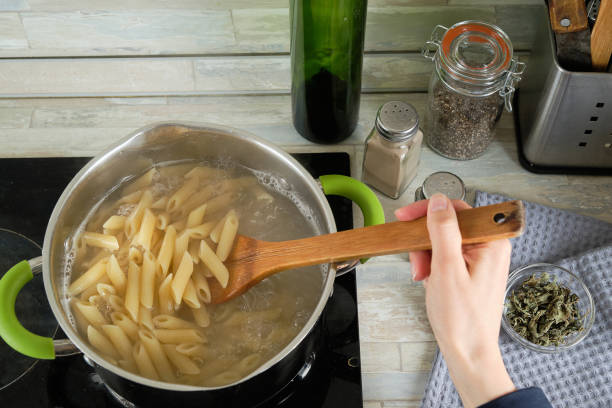
Start with the pasta itself. Any shape works, but matching shape to sauce helps. Short tubes and ridges hold chunky sauces, vegetables, and sausage. Long noodles twirl nicely with olive oil, garlic, and light tomato sauces. Cook it in generously salted water that tastes like a gentle sea. That is your best chance to season the pasta from the inside out.
While the water boils, think about what else you have. A satisfying pasta night includes something savory, something fresh, and something with texture. Savory could be sausage, bacon, leftover chicken, browned mushrooms, or Parmesan. Fresh could be spinach, peas, cherry tomatoes, zucchini, or lemon. Texture could be toasted breadcrumbs, chopped nuts, crispy chickpeas, or herbs. You do not need all of these. Pick one from each category and you are on your way.
One simple favorite is garlic, olive oil, and whatever green thing is hiding in the fridge. Warm a generous glug of olive oil in a wide pan, add sliced garlic, and let it turn golden but not brown. Toss in chopped broccoli, spinach, or frozen peas. When the pasta is just shy of done, scoop it into the pan with a splash of pasta water. Toss hard. The starchy water and oil turn into a glossy sauce that clings to every piece. Finish with lemon zest, black pepper, and cheese.
Tomato-based pasta night is another reliable favorite. Use canned crushed tomatoes, a jar of good sauce, or cherry tomatoes burst in a skillet with olive oil and garlic. Add Italian sausage, ground turkey, or white beans. Let the sauce simmer while the pasta cooks. If you have a Parmesan rind, drop it in and let it melt into savory depth. When the pasta is ready, combine it with the sauce in the skillet. That final toss makes the sauce taste like it belongs to the pasta.
Creamy pasta does not have to be heavy. A little cream, cream cheese, or mascarpone can turn mushrooms, spinach, and garlic into a luxurious sauce. For a lighter option, whisk an egg with grated cheese and pasta water, then toss it off the heat with pancetta or peas. Work quickly, keep the pan moving, and add another splash of pasta water if the sauce tightens.
Pasta night also adapts to different ages and appetites. For picky eaters, keep the sauce simple and serve mix-ins on the side. For adults who want more punch, add olives, capers, anchovies, or arugula at the end. For teenagers who seem to eat constantly, add garlic bread, a simple salad, or meatballs from the freezer. The same pot of pasta can become several different plates with very little extra work.
The best pasta nights are not about following a strict recipe. They are about learning a rhythm. Boil water. Salt it well. Cook the pasta until it has a little bite. Save a cup of pasta water before you drain. Build flavor in a skillet with fat, aromatics, and vegetables. Add protein if you like. Toss the pasta in the sauce. Loosen with pasta water. Finish with something fresh, salty, or crunchy. Taste and adjust. That rhythm works with almost anything you have on hand. So when dinner feels like one more thing on a long list, let pasta carry the night. Keep a few shapes in the pantry, a jar of tomatoes, a block of Parmesan, and a bag of frozen peas. Add whatever fresh vegetables and leftovers need using. In less time than it takes to decide on takeout, you can have a meal that is warm, generous, and genuinely satisfying. Pasta night is not a compromise. It is a small, dependable win at the end of a busy day.