

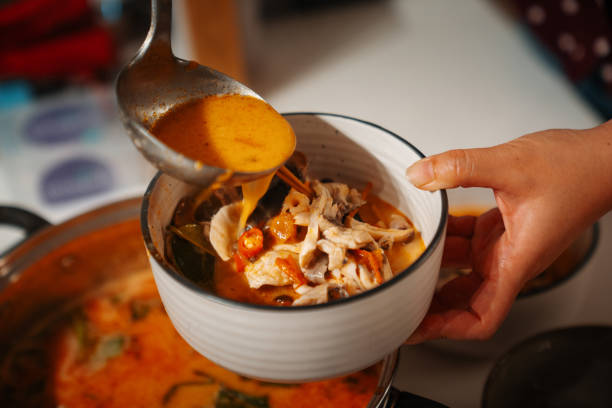
Start with the pan. A wide skillet or wok gives vegetables room to sear instead of steam. If your pan is crowded, the stir-fry will release moisture and turn limp. Work in batches if needed, and don’t fear high heat. Heat the pan first, then add oil that can take the temperature, like canola, peanut, or avocado. A quick test: drop in a small piece of onion. If it sizzles immediately, you’re ready.
Next comes protein. Chicken, beef, pork, shrimp, tofu, tempeh, or leftover rotisserie chicken all work. Slice against the grain for tender bites and pat the protein dry so it browns. For plant proteins, press tofu well and cube it, or crumble tempeh for a nutty texture. A light coat of cornstarch and soy sauce gives that silky takeout-style finish. Cook protein first, remove it when just done, and add it back at the end so it doesn’t overcook.
Vegetables are where stir-fry becomes personal. Aim for a mix of textures and colors: crisp broccoli or bell pepper, sweet snap peas or carrots, tender mushrooms or zucchini, and something aromatic like onion, garlic, ginger, or scallions. Cut everything into similar-sized pieces so it cooks evenly. Dense vegetables like carrots and broccoli need a head start; tender ones like bean sprouts and spinach go in at the very end. Frozen stir-fry blends are a fine shortcut, but drain them well so the pan stays hot.
The sauce is the difference between a forgettable stir-fry and one everyone asks for again. You don’t need exotic ingredients. A simple sauce can be soy sauce, a splash of broth or water, a spoonful of honey or brown sugar, a little rice vinegar or lime juice, and a teaspoon of cornstarch to help it cling. Add garlic, ginger, chili crisp, hoisin, oyster sauce, or peanut butter depending on the mood. Mix the sauce in a small bowl before the pan gets hot. When the vegetables are almost done, pour it in, toss for a minute, and watch it turn glossy. If you want a thicker sauce, whisk in a little more cornstarch; if you want it looser, add a splash more broth.
Timing matters more than technique. Stir-frying moves fast, so have everything chopped and within arm’s reach before you turn on the burner. Preheat the pan, cook the protein, remove it, stir-fry the aromatics, add the dense vegetables, then the tender ones, return the protein, and pour in the sauce. Toss until everything is coated, then taste. Need more salt? Add soy sauce. More brightness? A squeeze of lime. More heat? Chili oil. More sweetness? A drizzle of honey.
Serve your stir-fry over steamed rice, noodles, quinoa, or cauliflower rice. For a lighter option, spoon it into lettuce cups or serve it with cucumber salad. Leftovers are excellent the next day, though vegetables soften. Revive them in a hot skillet with a splash of water rather than microwaving until rubbery. Turn leftovers into fried rice, wrap them in tortillas, or pile them on a baked sweet potato. A handful of fresh herbs or toasted sesame seeds makes it feel finished.
The beauty of the stir-fry formula is that it scales. Cooking for one? Use a small skillet and one chicken breast. Feeding a crowd? Cook in batches and keep everything warm in a low oven. Picky eaters can customize bowls with sauce on the side, while adventurous ones pile on chili crisp and peanuts. Once you master the rhythm, dinner gets simpler, faster, and more delicious. Stir-fry night becomes less about following a recipe and more about using what you have and getting a satisfying meal on the table without the stress.