

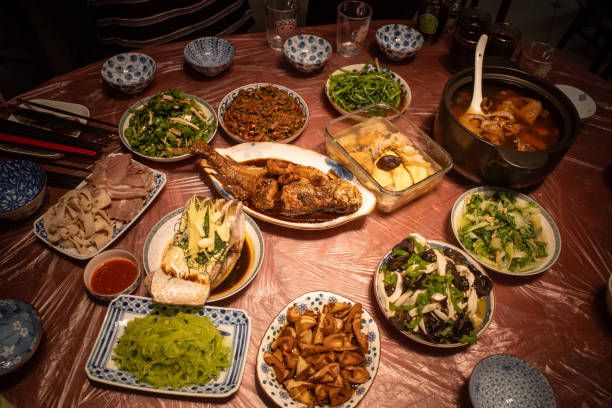
Why the wok works is simple. High heat means vegetables stay crisp, proteins brown instead of steam, and sauces cling. The shape allows pushing food up the sides while cooking other ingredients in the center. You can cook in stages: aromatics, protein, vegetables, then combine. This flexibility is perfect for different tastes and ages. Picky eaters can have plain noodles before sauce. Spice lovers add chili oil at the table. Vegetarians swap tofu. If you are cooking for one or six, the same method scales.
Set up for success before the wok gets hot. Mise en place matters. Before the wok hits the heat, chop vegetables, measure sauces, slice protein, and set noodles or rice nearby. Busy households can do this in the morning or lean on grocery shortcuts: pre-cut stir-fry blends, rotisserie chicken, frozen shrimp, cooked noodles. The wok waits. Once it is hot, dinner is ten minutes away. Keep a tray or plates nearby. Have a bowl for cooked ingredients. This prevents burning and makes cleanup easier.
The essential flavors do not require twenty bottles. A core trio does most of the work: soy sauce for salt and depth, rice vinegar or lime for brightness, and sesame oil for aroma. Add garlic, ginger, scallions. Then branch out with oyster sauce, hoisin, gochujang, curry paste, fish sauce, or mirin. A spoonful of cornstarch slurry thickens sauce. A pinch of sugar balances. Taste at the end. If it is flat, add salt or acid. If it is too salty, add sweet or acid. If it is too sharp, add fat or sweet. This formula works across Chinese, Thai, Korean, Vietnamese, Japanese, and beyond.
Build a meal formula instead of chasing perfection. Choose a base: rice, noodles, tortillas, or lettuce cups. Choose a protein: chicken, beef, pork, tofu, tempeh, eggs, shrimp, or chickpeas. Choose a vegetable: broccoli, bell peppers, snap peas, cabbage, carrots, mushrooms, bok choy, or spinach. Choose a sauce: teriyaki, black bean, peanut, coconut curry, sweet chili, or garlic ginger. Then cook. This formula means endless dinners without boredom. It also helps planning: shop once, mix and match all week.
The wok travels across Asian cuisines with ease. In Chinese cooking, wok hei—the breath of the wok—comes from high heat, a dry surface, and constant tossing. Home burners may not match restaurant jets, but preheating, cooking in batches, and not overcrowding gets close. Thai stir-fries often balance sweet, sour, salty, and spicy. Korean dishes might use gochujang and sesame. Vietnamese shaking beef or lemongrass chicken shows how the wok can handle bold herbs. Japanese yakisoba or soy-butter mushrooms are weeknight-friendly. Indian-Chinese dishes like chili paneer or Hakka noodles show the wok’s adaptability. The throughline is quick cooking, big flavor, and fresh textures.
Practical tips for busy households make all the difference. Cook grains ahead and freeze them in portions. Keep frozen vegetables and aromatics on hand. Garlic paste, ginger paste, and frozen chopped scallions are lifesavers. Use a wok or a large skillet. Carbon steel seasons into a nonstick surface; a nonstick wok is easier for beginners; cast iron works but is heavier. Preheat until a drop of water evaporates instantly. Add oil around the sides. Cook raw protein first, then remove it. Add aromatics, then vegetables, then return the protein. Add sauce last and toss until glossy. Serve.
Make it work for all ages. For young kids, deconstruct the meal. Noodles, vegetables, and protein can sit separately. Sauce on the side. For teens, let them build their own bowl. Adults might want extra heat, fresh herbs, or pickles. Leftovers become fried rice, noodle omelets, lettuce wraps, or soup. A wok can even handle breakfast: fried rice with eggs and scallions, or last night’s dinner reheated with a fried egg on top. Wok cooking is a living tradition, so learn the techniques and then adapt them with respect.
A wok will not solve every dinner problem, but it makes many of them easier. It rewards speed, flexibility, and a little prep. When you keep core ingredients and a simple formula, dinner becomes less of a scramble and more of a rhythm. The global dinner table is wide, and the wok is one of its most generous seats. Get it hot, keep it moving, taste as you go, and let the weeknight dinner find its own delicious groove.