

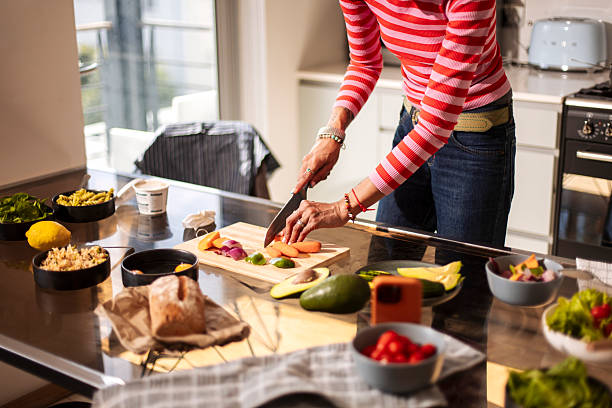
The difference between whole grains and refined grains is simple. Whole grains keep all three parts of the grain: the bran, the germ, and the endosperm. Refined grains strip away the bran and germ, leaving mostly the starchy center. That means whole grains bring more fiber, B vitamins, iron, magnesium, and natural plant compounds to your plate. At dinner, that matters because your body is preparing for the long overnight stretch. A meal with whole grains tends to digest more slowly, offering a steadier release of energy instead of a quick spike and crash. For busy households, that can mean fewer evening snack raids and a softer landing into bedtime.
Fiber is a big part of the story. It helps you feel full and satisfied, supports digestion, and feeds the beneficial bacteria in your gut. A healthy gut is connected to immunity, mood, and even sleep quality. Dinner is a smart time to support that system because you have hours ahead for digestion and repair. Pair whole grains with protein and vegetables, and you create a trio that keeps everyone steady. Think brown rice with salmon and roasted broccoli, barley soup with white beans and kale, or quinoa taco bowls with black beans, salsa, and avocado. These meals do not feel like health food lectures. They feel like dinner.
One of the easiest ways to bring whole grains into your routine is to stop thinking of them as a separate health project. Start with swaps. Blend half white rice with half brown rice if your family is skeptical. Try whole wheat pasta with the same sauce you already love. Choose corn or whole grain tortillas for taco night. Keep quick-cooking options like quinoa, bulgur, and oats on hand for busy evenings. For slower grains like barley, farro, and wheat berries, cook a big batch once and refrigerate or freeze it in meal-sized portions. Reheat with a splash of broth, and dinner comes together in minutes.
Flavor is where whole grains shine. They are like little sponges for whatever you cook with them. Toast them in a dry pan before adding liquid for a nutty depth. Cook them in broth instead of water. Stir in garlic, herbs, lemon zest, or a spoonful of pesto. Use leftover grains in stuffed peppers, casseroles, grain patties, or a quick fried rice with whatever vegetables are hiding in the fridge. Kids may warm up to whole grains faster when they are mixed with familiar sauces, cheese, or toppings they can choose themselves. A grain bowl bar can turn dinner into something playful rather than a battle.
Whole grains are also kind to a budget. Bags of rice, oats, cornmeal, and barley stretch across many meals. Canned beans, frozen vegetables, and eggs can round them out without fancy shopping. Savory oatmeal with a soft egg and spinach is dinner. Creamy polenta with beans and greens is dinner. A warm farro salad with roasted carrots, chickpeas, and tahini is dinner. These meals prove that wellness does not require specialty ingredients. It requires a pantry that can be shuffled into something warm and satisfying.
There is even a gentle connection between whole grains and better sleep. Complex carbohydrates help tryptophan reach the brain, where it supports serotonin and melatonin, the hormones that guide relaxation and sleep. A balanced dinner with whole grains, lean protein, and vegetables can support that process without leaving you overly full. You are not chasing perfection. You are giving your body a calm, steady supply of fuel so it can rest well and wake up ready for the next day.
Making whole grains a habit does not have to be dramatic. Aim for two whole-grain dinners each week, then build from there. Keep cooked grains in the fridge so they become a shortcut instead of a chore. Let dinner be a bowl, a soup, a casserole, or a pile of leftovers that tastes even better the next day. Whole grains support heart health, digestion, energy, and satisfaction. They make dinner feel grounded. They turn a rushed evening into a moment of nourishment. So the next time you plan dinner, reach for a grain. It might become the easiest healthy habit your household actually keeps.