

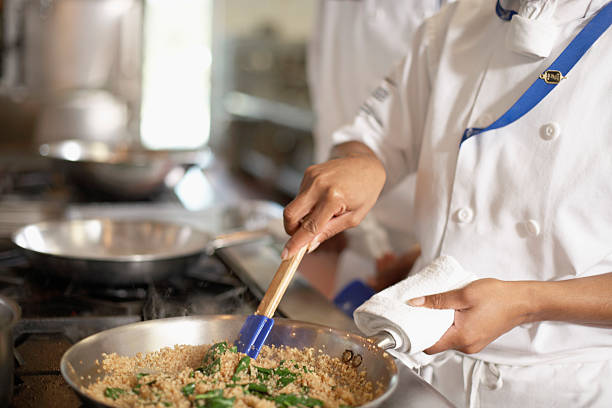
The beauty of this approach lies in its flexibility. Think of your pasta sauce as a blank canvas, not a finished painting. The vegetables you choose can shift the entire mood of the meal. A classic tomato base welcomes finely diced carrots, zucchini, or bell peppers, adding sweetness and texture without overwhelming the sauce. For a heartier winter dish, try stirring in roasted butternut squash or finely chopped mushrooms, which create a savory depth that rivals any long-simmered Sunday gravy. Even frozen spinach or peas, tossed in during the last few minutes of heating, bring color and nutrients with zero extra prep time. The art is not about following a rigid formula; it is about seeing what you have in your fridge or freezer and using it boldly.
Texture is where many home cooks hesitate, but it is also where confidence is built. A common worry is that extra vegetables will make the sauce watery or chunky in a way that feels off-putting. The solution is simple: preparation. Grate or dice your vegetables very finely, so they melt into the sauce rather than floating as separate ingredients. A box grater or food processor turns a carrot into something that looks like shreds of cheese, which soften and disappear once simmered. Mushrooms can be pulsed into a coarse crumble that mimics ground meat without the heaviness. For leafy greens like kale or Swiss chard, a quick chop and a brief sauté before adding them to the sauce removes excess moisture and concentrates their flavor. This tiny extra step takes only minutes but elevates the entire dish from ordinary to intentional.
Timing matters, too, when you are making a recipe your own. If you are using a quick-cooking sauce, add tender vegetables like spinach or cherry tomatoes near the end to preserve their brightness. Heartier options like diced onion, celery, or carrots benefit from a few minutes of sweating in olive oil before the sauce even hits the pan. This releases their natural sugars and creates a flavor base that no jarred sauce can replicate. You are not just adding vegetables; you are layering taste in a way that feels professional but is completely doable on a Tuesday night. The result is a sauce that tastes like it has been simmering for hours, even when you only have twenty minutes from stove to table.
Another key element of mastering this art is remembering that balance is your friend. Adding vegetables does not mean drowning out the sauce’s personality. A good tomato sauce already has acidity, sweetness, and herbaceous notes. Vegetables should complement, not compete. If you add something earthy like eggplant or beets, consider a pinch of sugar or a splash of balsamic vinegar to round out the flavors. If you go green with broccoli rabe or arugula, a little extra garlic or red pepper flakes can bridge the gap between vegetable and sauce. Taste as you go, and trust your palate. You are the artist here, and the recipe is simply your starting point.
For households of all sizes, this technique is a game changer for meal planning. One batch of vegetable-loaded sauce can serve as the base for multiple meals throughout the week. Use it over spaghetti one night, then spoon it over roasted chicken or baked fish the next. Stir it into a lentil soup for a quick lunch, or spread it on a pizza crust with a handful of mozzarella. Because the vegetables are already cooked into the sauce, you are sneaking in extra nutrients without extra effort. This is not about hiding vegetables from anyone; it is about celebrating how a simple addition can make dinner feel more satisfying and nourishing.
Ultimately, mastering the art of the recipe is about freedom. It is the permission to open your fridge, see a half-used zucchini, and know exactly what to do with it. It is the confidence to ignore the back of the jar and trust your instincts. Adding extra vegetables to your pasta sauce is a small, repeatable act of creativity that makes every dinner feel like your own. So the next time you reach for that jar, pause and look around your kitchen. Grab a vegetable, chop it up, and stir it in. You are not just making dinner; you are building a habit that turns everyday cooking into something you genuinely own. And that, right there, is the real goal.