

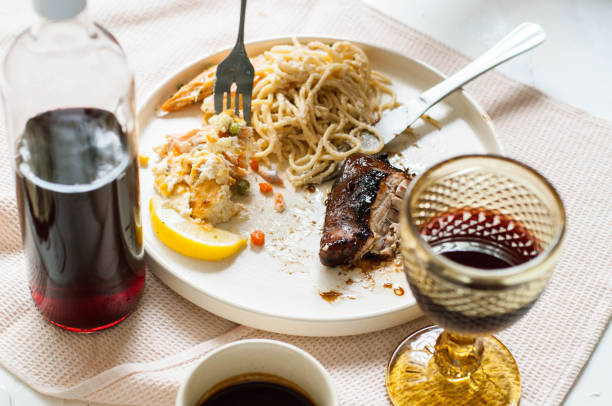
Comfort food has a reputation for being heavy or time-consuming, but the classics became classic for a reason. They’re built on simple ingredients, familiar techniques, and flavors that make people feel taken care of. Think chicken noodle soup, macaroni and cheese, pot roast, shepherd’s pie, chili, and grilled cheese with tomato soup. These meals can be as easy or involved as you need. On a relaxed weekend, you might simmer sauce and let the house fill with that unmistakable smell of dinner being handled. On a frantic Tuesday, you might lean on rotisserie chicken, frozen vegetables, or a one-pan sauce. Both versions count. Comfort isn’t about perfection; it’s about recognition. The first spoonful should say, “Ah, yes, this is dinner.”
Planning is where comfort food becomes manageable. Instead of thinking of each meal as a separate event, think in components. A big batch of shredded chicken can become soup tonight, chicken and dumplings tomorrow, and a topping for baked potatoes later. A pot of chili can be dinner with cornbread, then nachos, then a baked potato bar. Mashed potatoes can be made ahead and gently reheated with a splash of milk or broth. Even meatloaf slices beautifully for sandwiches the next day. This kind of cooking doesn’t require a formal meal plan taped to the fridge, though that can help. It asks you to cook once with extra intention, so future you gets a night off.
For households with different ages and appetites, comfort food classics are wonderfully adaptable. Set out toppings and let everyone build their own bowl. Chili becomes a choose-your-own-adventure with cheese, sour cream, green onions, avocado, or crushed chips. A baked potato bar can include broccoli, shredded cheese, leftover taco meat, or olive oil and salt. Macaroni and cheese can stay plain for youngest eaters and get spinach or caramelized onions for adults. Soup can be pureed smooth for some and left chunky for others. This flexibility means you’re not cooking three separate dinners. You’re cooking one good dinner and letting people make it their own.
There’s also a practical side to comfort food that busy households appreciate. Many classics freeze well. Soups, stews, chili, casseroles, and even meatloaf can be portioned and frozen for later. A little effort on a calm day can protect you from the 6 p.m. scramble on a wild one. If you have a slow cooker or pressure cooker, it can do the heavy lifting while you work, chauffeur, or finally sit down. If you don’t, a simple sheet-pan version of a classic can still deliver. Roasted chicken thighs with potatoes and carrots may not be traditional pot roast, but it hits the same cozy note with less watching.
The best comfort food classics also leave room for balance. You don’t have to choose between cozy and nourishing. Add frozen peas to the macaroni, stir extra carrots into the soup, serve meatloaf with a crisp side salad, or swap half the potatoes for cauliflower. These small moves keep the meal familiar while giving it more staying power. Comfort food is not the enemy of good nutrition. It’s simply dinner with a memory attached, and memories can grow.
Ultimately, comfort food classics earn their place in busy kitchens because they’re more than recipes. They’re a shortcut to feeling settled. They say that no matter how messy the day was, there’s a warm plate waiting. They work for a solo dinner with leftovers, a couple’s quiet night in, or a full table of voices talking over each other. You don’t need a special occasion. You just need a pot, a little time, and the willingness to let dinner be simple. That’s the real comfort, and it’s one of the most delicious ways to take care of the people you love.