

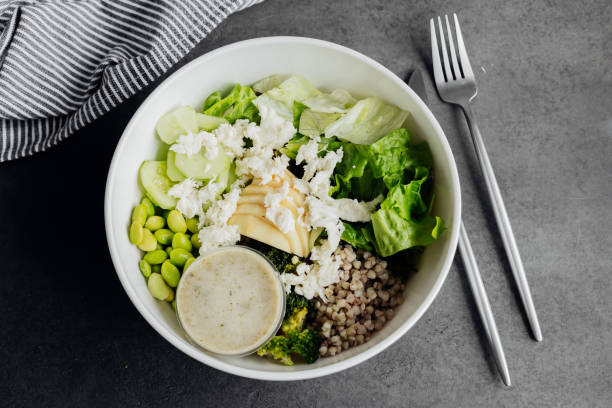
A helpful place to start is the classic plate method, but with a relaxed attitude. Imagine your plate in three loose sections. Half of it can be vegetables and fruit, because they bring fiber, vitamins, minerals, and color. The other half can be split between protein and carbohydrates, with a little healthy fat added somewhere along the way. That might look like roasted broccoli and peppers, sliced chicken, and brown rice with olive oil. It could also look like a black bean taco bowl with lettuce, salsa, avocado, and corn tortillas. The point is not to count every gram. The point is to include enough variety that your meal has staying power.
Protein helps you feel full and supports muscles, especially as we age. Dinner is a great chance to include chicken, fish, lean beef, eggs, tofu, tempeh, beans, lentils, Greek yogurt, or cottage cheese. If your household has different preferences, set out a few protein options and let everyone choose. Carbohydrates matter, too. Whole grains like quinoa, farro, and brown rice, plus starchy vegetables like potatoes, sweet potatoes, and corn, provide energy and fiber. They are not the enemy of a healthy dinner. They are part of what makes dinner satisfying.
Healthy fats are the quiet helper on a balanced plate. Olive oil, avocado, nuts, seeds, tahini, and cheese add flavor and help your body absorb certain vitamins. A little goes a long way, so you do not need to drown your food in dressing or butter. A spoonful of pesto, a sprinkle of sesame seeds, or a few slices of avocado can turn a plain meal into something you actually look forward to eating. Pleasure matters, too. A dinner that tastes good is more likely to become a habit you keep.
For busy households, balance often comes down to preparation and flexibility. Keep frozen vegetables on hand for nights when fresh produce is running low. Canned beans, quick-cooking grains, rotisserie chicken, and pre-washed greens can shorten dinner prep without sacrificing nutrition. If you have time on the weekend, cook a large batch of one grain and one protein, then mix and match during the week. A bowl of leftover chili topped with plain yogurt and served with a side salad is a balanced dinner. So is a scrambled egg wrap with spinach and salsa when the day has gone sideways.
It is also worth remembering that balance is not something you need to achieve at every single meal. Your body works with patterns over time. If dinner is a little heavier on carbs one night, add extra vegetables and protein the next day. If you are traveling, eating out, or celebrating a birthday, enjoy the meal and move on. Guilt is not an ingredient in a healthy plate. Consistency and kindness toward yourself will take you further than rigid rules.
When you sit down to eat, try to make the table a place of connection rather than correction. Let kids and adults serve themselves from the same options when possible. Offer at least one food you know people like alongside something new. Talk about how the food tastes, not how healthy it is. That small shift can make dinner feel less like a nutrition lecture and more like a pause in the day.
A balanced plate is ultimately a tool for wellness, not a standard of perfection. Fill it with foods that nourish you, flavors that satisfy you, and a little room for real life. Start with one extra vegetable, one reliable protein, and one carb you enjoy. From there, you can build dinners that support your energy, your mood, and your household, one ordinary evening at a time.