

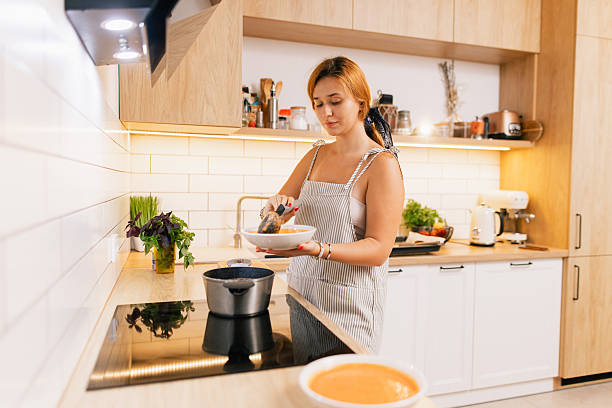
Start by changing the question. Instead of asking, “What should I cook this week?” ask, “What will make tomorrow’s dinner easier?” That shift turns meal prep from a giant project into a series of small favors for your future self. For one household, that might mean chopping onions and peppers. For another, it might mean cooking rice and boiling eggs. For a third, it might simply mean buying a rotisserie chicken and washing lettuce. Smart prep meets you where you are, not where an ideal planner says you should be.
One of the most beginner-friendly approaches is component prep. Rather than making five complete meals, you prepare building blocks. Cook a protein, such as chicken, ground turkey, lentils, or beans. Make a grain, like rice, quinoa, or pasta. Roast or steam a vegetable. Mix a simple sauce, maybe yogurt with lemon, pesto, salsa, or vinaigrette. When dinnertime arrives, those components become bowls, tacos, wraps, salads, quesadillas, or quick soups. You get variety without cooking five separate recipes.
Another low-pressure strategy is to prep during the time you already spend in the kitchen. While waiting for pasta water to boil, chop an extra cucumber. While the oven is already on for dinner, roast a second tray of vegetables. While packing lunches, set aside a portion of tonight’s protein for tomorrow. These micro-prepping moments add up. Ten minutes here and fifteen minutes there can save you from the 6 p.m. scramble more often than one heroic prep day.
Storage matters, but it doesn’t need to be fancy. Clear containers help you see what you have. Tape and a marker can label items with names and dates. Keep perishable items at eye level so they don’t get forgotten. Create a “use first” shelf or bin for foods that need to be eaten soon. If your fridge is crowded, you’ll waste food simply because you can’t see it. A little visibility goes a long way.
Keep your plan loose. A simple dinner formula can guide you: protein plus grain plus vegetable plus sauce. You don’t need seven unique dinners. You need a handful of flexible pieces that can be rearranged. Cooked chicken can go into a salad on Monday, a quesadilla on Tuesday, and a soup on Wednesday. Roasted vegetables can top a grain bowl or fold into an omelet. This flexibility keeps meals from feeling repetitive and helps you use what you already have.
Be realistic about what reheats well. Dressings, crunchy toppings, fresh herbs, and delicate greens often do better when added at the last minute. If you’re new to meal prep, start with two components, not ten. Prep a protein and a vegetable. Next week, add a grain. If you keep throwing away the same soggy container of zucchini, stop prepping zucchini that way. Adjust without guilt.
You can also prep without cooking. Washing fruit, tearing lettuce, portioning marinades, grating cheese, or defrosting meat all count. So does making a sauce that turns plain ingredients into something exciting. If cooking feels overwhelming, choose no-cook prep. If deciding feels hard, choose decision prep by writing a short list of possible dinners using what you have. Meal prep is anything that lowers the barrier to dinner.
The biggest beginner mistake is believing meal prep has to be all or nothing. If you miss a prep day, you haven’t failed. A bag of washed greens and a store-bought cooked chicken can be smart meal prep. Frozen vegetables are smart meal prep. Having a backup dinner in the freezer is smart meal prep. Start small this week. Pick one thing that would make dinner easier, and do only that. As you repeat it, you’ll learn what your household actually uses and what just takes up space. Smart meal prepping for beginners is less about perfection and more about rhythm. With a little practice, you can turn dinner from a daily question into a calmer, more manageable part of the day.