

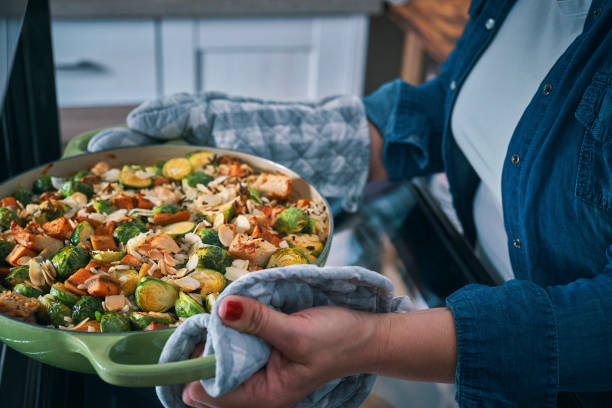
The first step in successful doubling is to think about your pan. You can’t just toss twice the ingredients into the same dish and hope for the best. If you double a recipe, you need roughly twice the surface area. That usually means moving from a standard 9x13-inch baking dish to two of them, or using a larger, deeper pan like a 11x17-inch roasting dish. But here’s the trick: if you use a single deep pan, the casserole will take much longer to cook through, and the center might stay cold while the edges dry out. For even heat distribution, split your doubled batch into two separate dishes. This way, you can bake one now and freeze the other, or bake both and invite friends over without stress.
When it comes to ingredients, doubling isn’t always a straight two-times-everything. Herbs, spices, salt, and acidic elements like tomatoes or lemon juice don’t scale linearly for everyone’s taste. Start by multiplying those by one and a half, then taste and adjust. For example, if your original casserole uses a teaspoon of dried oregano, use one and a half teaspoons when doubling, then add more if needed. This prevents an overly salty or spicy result. Onion, garlic, and other aromatics can usually be doubled without worry, but keep an eye on moisture. When you double vegetables like zucchini, mushrooms, or spinach, they release more liquid. You might need to sauté them a little longer to evaporate excess water, or add a tablespoon of breadcrumbs or flour to thicken the sauce.
Cooking time is where many doubles fall flat. A doubled casserole in two separate dishes will bake roughly the same time as the original—just be sure to rotate the pans halfway through if your oven has hot spots. If you’re using one deep dish, expect the baking time to increase by about twenty to thirty percent. A good rule is to check the casserole twenty minutes after the original recipe says it should be done. Insert a thermometer into the center; it should read at least 165 degrees Fahrenheit. If the top browns too quickly, cover it loosely with foil for the remaining time.
One of the best parts of doubling is that you can customize each dish based on who you’re feeding. Maybe one half gets extra cheese and a crunchy topping for the kids, while the other keeps it lighter with more vegetables. Or you can leave one unbaked and freeze it for later. To freeze, assemble the casserole in a freezer-safe dish, cover tightly with plastic wrap and then foil, and label it with the name and date. When you’re ready to eat, thaw it overnight in the fridge and bake as directed, adding about ten extra minutes to account for the cold start.
Mastering the art of doubling a casserole is really about trusting your instincts and giving yourself permission to adapt. The original recipe is just a starting point. Once you know how to adjust pans, seasonings, and timing, you can turn any basic casserole into a powerhouse meal plan. You’ll save time on busy nights, waste less food, and always have a homemade option ready when the unexpected arrives. Whether you’re hosting a last-minute dinner or just want to stop worrying about tomorrow’s lunch, doubling your casserole is the move that keeps on giving. And honestly, does anything taste better than the second helping of a dish you didn’t have to cook from scratch? That’s the kind of dinner goal worth mastering.