

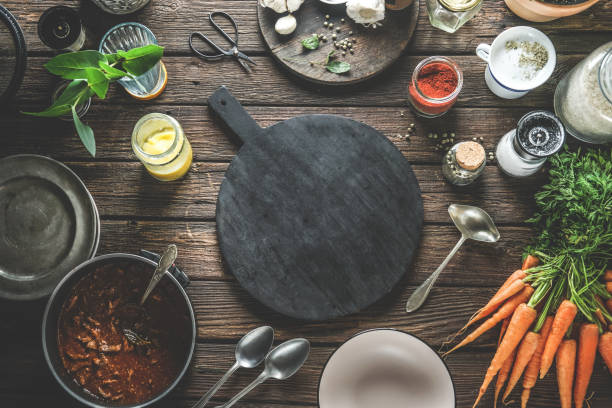
The first thing to know is that “spicy” and “aromatic” are not the same. Many of the flavors we associate with Moroccan tagines, Egyptian koshari, Lebanese kibbeh, Persian rice, or Ethiopian berbere are deeply fragrant rather than fiery. Cumin brings earthy warmth. Coriander adds citrusy brightness. Cinnamon and allspice lend a sweet, woody note that makes savory dishes feel cozy. Smoked paprika gives a gentle campfire edge. Sumac is tangy and lemony without any liquid. Harissa can be spicy, but it also carries garlic, caraway, and chili. When you cook with these spices, you’re building a dinner that appeals to your nose before your fork ever arrives.
A simple way to start is to think in layers. Bloom ground spices in oil at the beginning. Toasting them in fat wakes up their oils and makes the whole kitchen smell inviting. If you’re browning onions, add cumin and coriander once the onions soften. If you’re cooking ground meat or chickpeas, stir in cinnamon, paprika, and a pinch of cayenne. If you’re making a tomato-based stew, add harissa or ras el hanout early, then finish with fresh herbs or lemon. That final squeeze of lemon or splash of vinegar matters because many African and Middle Eastern dishes balance richness with brightness. A spoonful of yogurt or tahini can cool things down, while chopped parsley, cilantro, or mint adds a fresh top note.
For busy households, the real magic is that these spices work with whatever you already have. A pot of rice can become fragrant with turmeric, cardamom, and bay leaf. Roasted carrots or cauliflower can be tossed with cumin, coriander, and a drizzle of honey before they hit the oven. Chicken thighs can marinate in yogurt, garlic, ginger, and paprika while you unpack groceries, then cook in the same pan as sliced onions and peppers. Even a can of chickpeas can become dinner when simmered with tomatoes, cumin, cinnamon, and greens. The spices do the heavy lifting, so you don’t need a complicated technique or a long ingredient list.
Meal planning gets easier when you pick a spice theme for the week. Maybe Monday is cumin and coriander night with lentils and rice. Tuesday leans into cinnamon and allspice with meatballs and couscous. Wednesday is sumac and za’atar on roasted chicken and flatbread. Thursday uses harissa and smoked paprika for a quick tomato and white bean stew. By Friday, you have leftovers that can be stuffed into pita, spooned over grains, or topped with a fried egg. This approach keeps grocery shopping predictable while making each dinner feel distinct. You can buy spices in small amounts, label them with dates, and store them away from heat and light. Whole spices last longer, but pre-ground jars are perfectly fine for weeknights.
It also helps to taste as you go. Spices vary in strength depending on age and brand. Start with a teaspoon, add a pinch more, and adjust. If a dish tastes flat, it may need salt or acid more than more spice. If it tastes harsh, a little sweetness from honey, dates, or caramelized onions can round it out. If it feels heavy, fresh herbs, lemon, or yogurt can lift it. Cooking this way teaches you to trust your senses instead of following a formula.
The global dinner table isn’t about traveling far or making every meal a project. It’s about letting a few aromatic spices connect your ordinary Tuesday to centuries of cooking traditions. African and Middle Eastern flavors can be bold, comforting, and surprisingly weeknight-friendly. Once you keep cumin, coriander, cinnamon, paprika, turmeric, and sumac within reach, dinner starts to feel less like a chore and more like a small adventure. The best part? Your house will smell incredible, and everyone will ask what’s for dinner before the table is even set.