

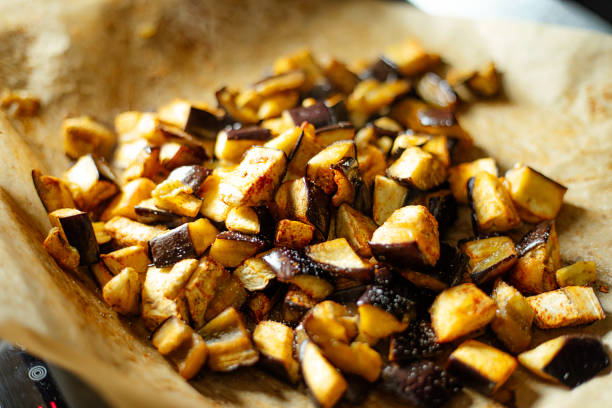
Start with the pan. A half-sheet pan, about eighteen by thirteen inches, is the workhorse for most households. If you are cooking for a crowd, use two pans rather than piling everything onto one. Crowding is the enemy of roasting because vegetables steam instead of browning, and protein ends up pale and uneven. Line the pan with parchment for easier cleanup, or leave it bare if you want the deepest browning. Preheat the oven to around four hundred twenty-five degrees, though delicate fish and shrimp often do better closer to four hundred. The hot oven gives you crisp edges and concentrated flavor without much effort.
Next, think about timing. Hearty vegetables like potatoes, carrots, sweet potatoes, winter squash, and cauliflower need a head start. Give them fifteen to twenty minutes alone before adding quicker-cooking ingredients. Tender vegetables like broccoli, bell peppers, zucchini, green beans, and cherry tomatoes can go in at the same time as chicken thighs or sausage. Fish and shrimp usually join the pan near the end. This staggered approach is how you avoid a pan of burnt broccoli and raw potatoes. You are not following a clock so much as reading the food.
Protein is the anchor, but it should not boss the whole pan. Chicken thighs are forgiving and flavorful. Salmon is elegant and fast. Shrimp cook in minutes. Sausage brings instant seasoning. Tofu, chickpeas, and halloumi can turn a vegetable-heavy pan into a satisfying meal. Whatever you choose, pat it dry, cut it into even pieces, and season it well. If you are using chicken breasts, pound them to an even thickness so they cook at the same rate. A quick marinade is nice, but a simple rub of oil, salt, pepper, and spices works wonders.
Vegetables deserve the same care. Choose a mix of textures and colors. Onions and peppers soften into sweetness. Brussels sprouts and broccoli get nutty and crisp. Cherry tomatoes burst into little pockets of sauce. Toss everything with enough oil to coat, then season with salt, pepper, and a spice blend that matches your mood. Smoked paprika, cumin, Italian herbs, garlic powder, and lemon zest are all excellent starting points. Add a squeeze of lemon or a splash of vinegar at the end to wake everything up. Fresh herbs, yogurt, feta, or toasted nuts can finish the pan once it comes out of the oven.
Assembly matters more than you might think. Give the ingredients space. Use two pans if needed. Drizzle a little oil over the top, but do not drown everything. Roast until the vegetables are tender and browned and the protein is cooked through. If one item is done early, remove it to a plate and let the rest catch up. If the vegetables need more color, switch on the broiler for a minute or two, but stay close. Let meat rest for five minutes before slicing, and taste before serving. A final pinch of salt or a drizzle of sauce can make the whole pan sing.
One of the joys of sheet pan dinners is how easily they travel across cuisines. Go Greek with oregano, lemon, red onion, and feta. Go Mexican-inspired with cumin, lime, black beans, and avocado. Go Asian-inspired with soy sauce, ginger, sesame oil, and scallions, though keep an eye on sugary sauces so they do not burn. Leftovers become grain bowls, wraps, salads, or breakfast hash. Cleanup is usually one pan and maybe a cutting board. That means less time at the sink and more time at the table. With a hot oven, a good pan, and a willingness to improvise, dinner becomes less of a chore and more of a flexible, delicious habit.