

Think of a dinner template as a formula with room to breathe. For many households, that formula looks something like this: a protein, a vegetable, a starch, and a sauce or flavor booster. You can fill in those roles with whatever you have on hand. Chicken, tofu, beans, or eggs can all be the protein. Roasted broccoli, sautéed spinach, sliced cucumbers, or a bag of frozen peas can be the vegetable. Rice, pasta, tortillas, potatoes, or crusty bread can be the starch. And the sauce is where dinner gets personality: pesto, salsa, yogurt sauce, soy-ginger dressing, or a simple pan sauce made from the drippings. Once you know the roles, you can swap players without starting from zero.
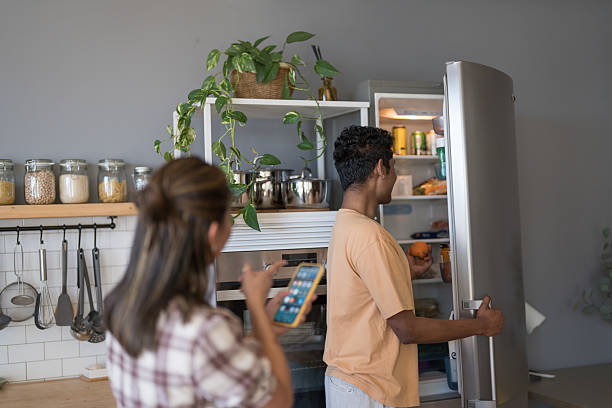
The magic of a template is that it turns decision fatigue into a smaller set of choices. Instead of asking, “What should we have for dinner?” you ask, “What protein do we have, and what needs to be used up?” That shift is small but powerful. It moves you from open-ended brainstorming to a quick inventory. You might decide on a taco template: protein, tortillas, crunchy vegetables, salsa, and something creamy. Or a stir-fry template: protein, quick-cooking vegetables, rice, and a savory sauce. Or a sheet-pan template: protein, hearty vegetables, potatoes, and a drizzle of something tangy. Each template is flexible enough to handle whatever the week throws at you.
Templates also make it easier to shop without overbuying. When you know your favorite dinner patterns, you can keep a loose pantry and fridge base that supports them. That might mean keeping rice, pasta, canned beans, eggs, frozen vegetables, tortillas, and a few sauces on hand. Then you only need to add fresh ingredients based on what looks good or what is on sale. This is not about stockpiling everything. It is about building a safety net. On a chaotic Tuesday, a well-stocked pantry plus one fresh vegetable can become a real dinner instead of a takeout emergency.
Another benefit is that templates help you adapt to different appetites and dietary needs without making three separate meals. If one person wants extra protein, they can add more chicken or beans. If someone avoids dairy, they can skip the cheese and use a different sauce. If a child prefers plain pasta, you can serve the components separately and let everyone assemble their own plate. This is the component dinner approach, and it works surprisingly well for busy households. It respects picky eating without turning the kitchen into a short-order restaurant.
Of course, a dinner template only works if it fits your real life. Start by looking at your week. Which nights are calm enough for a new recipe? Which nights need something fast? Which nights would be better with leftovers? Build two or three reliable templates for your hardest evenings and save the more ambitious cooking for when you have energy. You might have a slow-cooker template for long workdays, a sheet-pan template for hands-off cooking, and a no-cook template for nights when the heat or exhaustion wins. The goal is not to be perfect. The goal is to make dinner happen with less stress and more satisfaction.
It also helps to give your templates playful names so they stick in your mind. Taco Tuesday is a classic for a reason. Maybe your household has Grain Bowl Night, Breakfast for Dinner, or Clean Out the Fridge Frittata. A name turns a vague idea into a familiar ritual. It also gives everyone something to look forward to without requiring a detailed menu. When you say, “It’s build-your-own bowl night,” people know the drill. They can help chop, set the table, or choose their toppings. Dinner becomes a shared project instead of a solo performance.
The art of the dinner template is really the art of graceful flexibility. You are not locking yourself into the same seven meals forever. You are creating a framework that makes it easier to use what you have, feed the people you love, and still have time for the rest of your life. Some weeks you will follow your templates closely. Other weeks you will improvise. Both are wins. With a little practice, you will stop dreading the daily dinner question and start treating it as a simple, solvable puzzle. And that is a dinner goal worth keeping.