

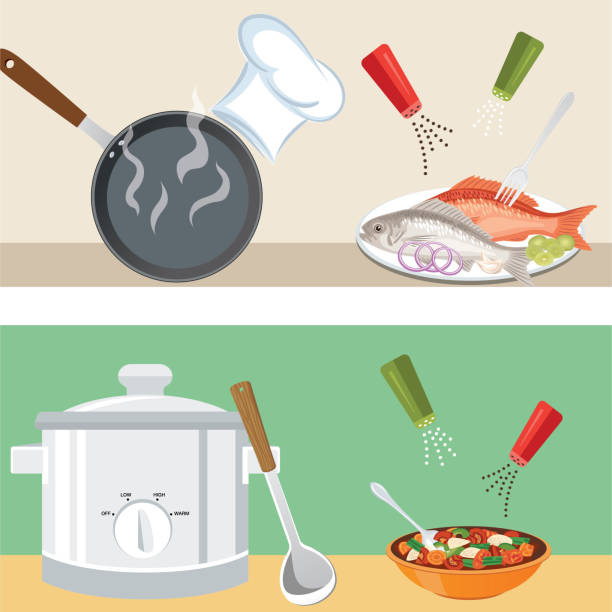
Start by thinking in ratios rather than exact measurements. A recipe is really a set of relationships: liquid to grain, fat to flour, acid to sweetness, seasoning to bulk. When you double a soup, the broth, vegetables, and beans can usually double together without much trouble. But if you double a baked casserole, the eggs, milk, and breadcrumbs may need a gentler hand. Too much liquid can make it mushy; too little can make it dry. Taste as you go, and keep notes. Your kitchen becomes smarter every time you write down what worked.
The pot or pan matters more than most people expect. Doubling a recipe in the same small skillet means vegetables steam instead of brown, chicken cooks unevenly, and sauces reduce too slowly. If you’re feeding a crowd, use a wider pan, a larger Dutch oven, or two pans. For smaller batches, choose a smaller pan so the food doesn’t spread thin and burn. The goal is to keep the depth of the food similar to the original recipe. When the depth changes, cooking times change too.
Seasoning is where scalability gets personal. Salt, spices, herbs, and hot sauce don’t always need to increase at the same rate. If you double a chili, you might need one and a half times the salt, then adjust at the end. Dried herbs can become dusty or overpowering in large amounts, while fresh herbs often need a generous handful. Acids like lemon juice and vinegar are your friends because they brighten big batches that taste flat. Remember that flavors deepen as food sits, so season slightly under and finish before serving.
Proteins need special attention. A single chicken breast cooks quickly; six crowded into a baking dish release steam and take longer. For large crowds, sear in batches or use the oven to finish. Ground meat can be doubled easily, but you may need to drain extra fat and add more aromatics. Beans and lentils scale generously, though they soak up salt and liquid, so keep extra broth nearby. Tofu and tempeh benefit from being cooked in a single layer, which may mean using two sheet pans. If you’re scaling down, cut protein pieces smaller so they cook through before drying out.
Starches like rice, pasta, and potatoes follow their own rules. Rice usually doubles neatly, but a huge pot of rice can cook unevenly. Use a wide pot and resist stirring too much. Pasta needs a bigger pot of water and more salt, but the cooking time stays roughly the same. Potatoes for mashing can be doubled, but you’ll need a larger pot and more room to mash. If you’re halving a recipe, be careful with tiny amounts of baking powder or yeast; those measurements matter more in baked dishes than in stovetop dinners.
Oven space is often the real limiting factor. If you’re cooking for a crowd, choose recipes that can be made ahead and reheated, or use the stovetop and slow cooker to free up the oven. Sheet pan dinners can be cooked in batches and held in a warm oven. Soups, stews, and curries often taste better the next day, which makes them perfect for big gatherings. For smaller households, scale down and plan for leftovers. Many dinners reheat beautifully for lunch, and some freeze well for another busy night.
The most important tool for scaling is your own attention. Recipe math gets you close, but your eyes, nose, and taste buds finish the job. Adjust the heat, salt, acid, and liquid until it feels right. Whether you’re cooking for one, two, or twenty, dinner doesn’t have to be complicated. With a little flexibility and a willingness to taste as you go, any recipe can become the right size for the crowd at your table.