

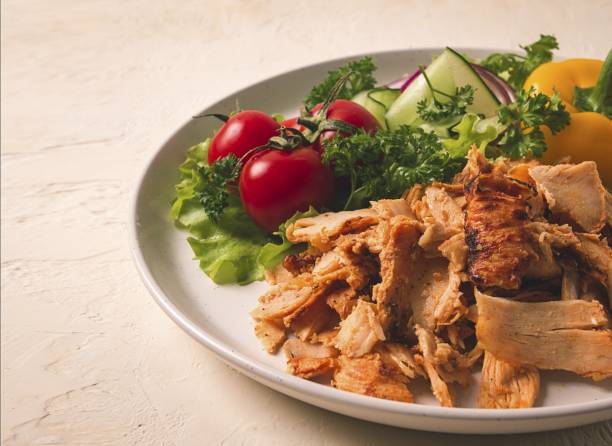
At the heart of Lebanese shawarma is the spice rub. This is where the magic of African and Middle Eastern flavors truly sings. Unlike the heavily spiced, sometimes fiery versions of shawarma found elsewhere, the Lebanese style leans into a more nuanced warmth. Think of it as a chorus of cinnamon, allspice, cardamom, and a whisper of nutmeg, balanced with the earthy punch of cumin and paprika. The key here is that this blend does not overpower the meat; it invites it into a conversation. You can use chicken thighs or beef sirloin—both are forgiving cuts that stay juicy even if your weeknight timeline runs a little behind. The trick is to slice the meat thin and marinate it overnight if you can, or at least for a few hours while you tackle the rest of your evening. When you sear it in a hot pan, your kitchen will smell like a spice souk, and that alone is worth the price of admission.
Now, let us talk about the sauce. In many parts of the world, garlic sauce is a simple afterthought. In Lebanese cooking, it is a revelation. Called toum, this emulsified garlic sauce is almost like a savory, airy mayonnaise, but without any egg. It is made by slowly drizzling oil into a paste of fresh garlic, lemon juice, and salt, whipping it into a fluffy, white cloud. If you have ever had a version that was too harsh or bitter, you likely had garlic that was handled roughly. The secret is to remove the green germ from the center of each clove and use a food processor while your patience is fresh. The result is a sauce that is pungent yet creamy, spreading like a dream over warm pita. For busy households, you can make a big batch of toum on the weekend and keep it in the fridge; it lasts for weeks and is just as good on roasted vegetables or grilled fish as it is on shawarma.
Then come the pickles. In the context of a shawarma wrap, pickles are not a garnish; they are a structural necessity. Specifically, Lebanese pickled turnips are a bright magenta revelation. They get their color from a beet slice dropped into the brine, and they offer a sharp, tangy crunch that cuts through the rich meat and the heavy garlic sauce. You can find them at most Middle Eastern grocers, or you can make a quick version at home by pickling sliced turnips with salt, vinegar, and a beet slice for color. The acidity is what keeps every bite from feeling too heavy. When you wrap all three components inside a soft, warmed pita or flatbread, you get a complete meal in your hands: savory, creamy, tangy, and warm all at once.
For a busy household, the beauty of Lebanese shawarma is that it is modular. You can serve the meat, sauce, and pickles in separate bowls and let everyone build their own wrap. This is a lifesaver when you have picky eaters or different dietary needs. The meat can be made in bulk and reheated throughout the week. The sauce and pickles keep beautifully. Even the spices themselves, once measured, can be stored for future meals. This is not a recipe that demands perfection; it demands presence. It asks you to smell, to taste, and to adjust. Maybe you want more lemon in your sauce. Maybe your family loves extra pickles. That is the point.
So the next time you are staring at your calendar, wondering what to make that feels both special and doable, think of Lebanese shawarma. It is a reminder that the global dinner table is not about faraway places you cannot reach. It is about bringing the world into your own kitchen, one spiced, garlicky, pickled bite at a time. At Dinner Goals, we believe that every meal is a chance to explore, and with this dish, you are not just feeding your family; you are sharing a tradition that has been perfected over generations. And that is something worth sitting down for.