

Start with light. Natural daylight is your best friend, so move the plate toward a window. Side light creates soft shadows that give texture to noodles, roasted vegetables, and burgers. Backlight can make steam glow and sauces shine, but it may trick your phone into making the food too dark. Tap to focus on the most delicious part, then drag the exposure slider until highlights look bright but not blown out. Avoid harsh overhead light, which flattens everything and casts unflattering shadows. If you must use a lamp, avoid mixing warm and cool bulbs, which can make food look strangely green or orange.
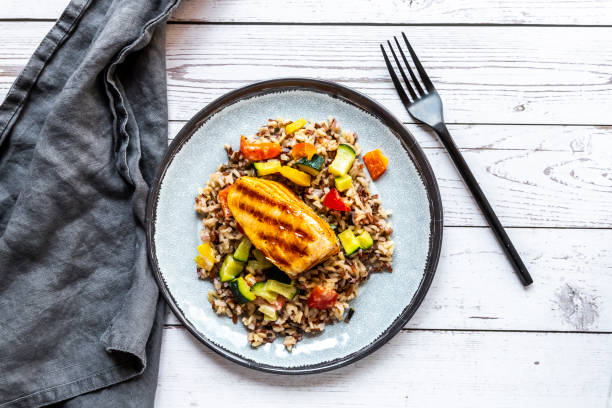
Next, think about angle. A bowl of ramen, a colorful grain bowl, or a sheet-pan dinner often looks best from directly above, where you can show off toppings and colors. A stacked burger, a slice of lasagna, or a piece of cake usually shines from a low angle, so you can see the layers. A classic forty-five-degree angle is the friendly all-rounder for pasta, roasted chicken, and casseroles. Get close enough that the food fills the frame, but leave a little context. A corner of the napkin, a fork, or a glass of water can make the photo feel like a real meal. Tap to focus on the most important texture, whether that is melted cheese, a crispy edge, or a sprinkle of herbs.
Composition can be simple. Imagine a tic-tac-toe grid over your screen and place the main dish along one of the lines or at an intersection. Leave some empty space so the eye can rest. Add a few props that belong on the table, such as a linen napkin, a spoon, or a small bowl of sauce. Do not overcrowd the scene. A single sprig of parsley or a pinch of chili flakes can add color and life. If steam is rising, shoot quickly. Wipe condensation from glasses or grease from plate rims before you snap. A quick tidy of the plate edge can make a huge difference.
Editing should enhance, not disguise. Most phones have basic tools that are more than enough. Raise brightness slightly, add a touch of contrast, warm the color temperature if the meal looks cool, and boost saturation just a little. The goal is to make food look like it tasted, not like a neon advertisement. Crop out distracting background clutter, like a sink full of dishes. If you use a preset, keep it subtle and consistent. The best food selfie is not the most polished one. It is the one that makes someone say, “I want that for dinner.“
For busy households, speed matters. Take the photo while you are plating, before everyone sits down, or ask a family member to hold the plate near the window for five seconds. If you are serving family style, photograph the main dish in the pan, then let the chaos begin. Do not stress about perfect lighting if a toddler is hungry or a teenager is already eating. A slightly messy table with hands reaching in can be more charming than a sterile setup. Those photos become memories of real dinners, not just recipes.
Over time, your food selfies can become a visual menu of what works for your household. Scroll back when you are stuck in a dinner rut. Notice which meals made everyone happy, which were easy, and which looked as good as they tasted. A quick caption about what you changed can turn a photo into a useful note for future you. The perfect food selfie is simply real dinner, captured before the plates are empty. So keep your phone nearby, use the light you have, and shoot fast. Dinner is waiting, and it looks delicious.