

The beauty of this style is that it does not ask for perfection. It asks for time, attention, and a willingness to let simple ingredients speak. Onions, carrots, celery, garlic, thyme, bay leaf, wine, stock, and butter can turn a modest chicken or beef roast into something that tastes like a celebration. The techniques are old and reliable. Brown the meat well. Scrape up the browned bits. Add aromatics. Pour in liquid. Cover and simmer. Then reduce the sauce and finish it with cold butter or fresh parsley. That final step is the refinement. It takes the same dish from hearty to elegant without changing its soul.
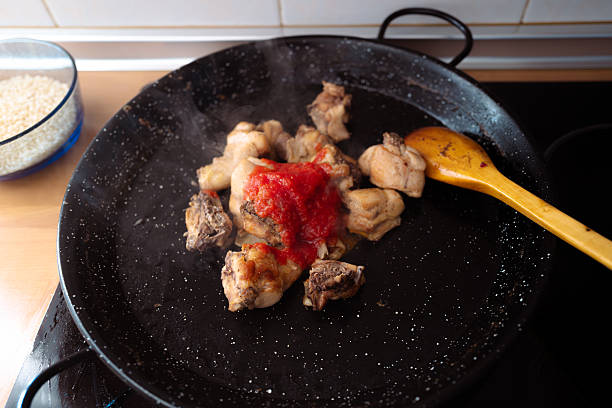
Coq au vin is a perfect example. Its roots are deeply rustic. Farmers used an older rooster, whose meat needed long, slow cooking, and braised it in red wine until it surrendered into tenderness. Today it appears on bistro menus and holiday tables, but the method remains humble. Marinate the chicken in wine with herbs. Render bacon or lardons until crisp. Brown the chicken in the rendered fat. Sauté mushrooms and pearl onions until golden. Return everything to the pot with wine, stock, and thyme, then let the oven do the work. The result is deeply savory, with a sauce that tastes complex even though the ingredient list is short. Served with mashed potatoes or crusty bread, it is dinner that feels both generous and graceful.
Other European classics follow the same pattern. Beef bourguignon takes an affordable chuck roast and turns it into a silky, wine-rich stew. Cassoulet combines white beans, sausage, and duck or pork into a slow-baked masterpiece. Pot-au-feu turns meat and vegetables into a broth worthy of attention. In Italy, ragù Bolognese starts with soffritto and milk, then simmers for hours until it is velvety rather than sharp. Osso buco relies on veal shanks and finishes with gremolata—lemon zest, garlic, and parsley—that cuts through the richness. Many European classics share this peasant-to-polished arc, born from necessity and refined by generations who learned that patience is a kind of luxury.
For busy households, these dishes are more practical than they sound. Most are one-pot meals, which means fewer pans and easier cleanup. They can be doubled and frozen. They often taste better the next day, making them ideal for leftovers that do not feel like leftovers. A Sunday braise can become Monday’s lunch, Tuesday’s pasta sauce, or Wednesday’s pot pie filling. The oven does most of the work while you help with homework, answer emails, or simply sit down. Build flavor in layers, use good stock, and finish with something fresh.
The rustic and refined balance also makes these dishes wonderful for hosting. Serve them family style in the middle of the table, with a bowl of something bright and crunchy alongside. A mustardy vinaigrette, quick-pickled onions, or a shower of chopped herbs adds contrast and color. Good bread is essential for soaking up every last spoonful. A simple dessert, like poached pears or a small glass of wine, keeps the meal feeling special without turning the kitchen into a restaurant.
What makes European classics endure is not nostalgia alone. It is their generosity. They welcome substitutions, adapt to what is in season, and reward cooks who pay attention. They remind us that dinner does not have to be complicated to be beautiful. A humble cut of meat, a few vegetables, and a slow simmer can create a meal that feels like an occasion. The global dinner table is wide, but some of its most satisfying seats are found in the European countryside, where rustic and refined have always been two sides of the same delicious coin.