

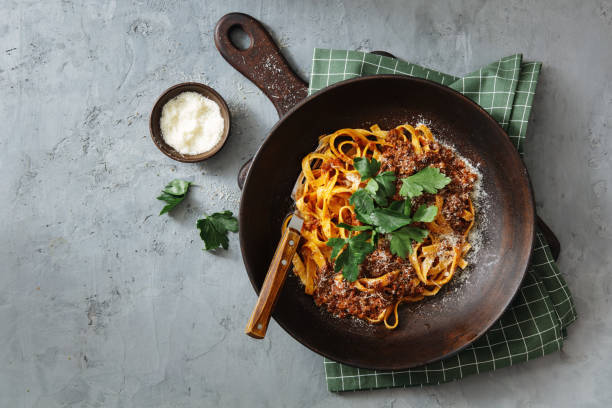
Start with light, because light is the difference between a photo that makes people hungry and one that makes them scroll past. Natural daylight is your best friend. If you are eating near a window, move the plate into the glow rather than standing in the shadows. Turn off overhead lights when you can, since they cast harsh shadows and give food a yellowish cast. At night, bring a small lamp close, or use the soft glow of a nearby living room light. A white plate or a light-colored napkin can bounce light back onto the food, filling in dark spots without any special equipment.
Next, think about your angle. Not every dish wants the same view. Overhead shots work beautifully for bowls, pizzas, salads, and anything with a colorful arrangement. A forty-five-degree angle is often best for burgers, sandwiches, layered cakes, and casseroles, because it shows height and texture. Get close enough that the food fills most of the frame, but leave a little breathing room so the image does not feel cramped. Instead of zooming in with your phone, physically move closer. The camera lens will keep more detail, and you can always crop later.
Composition is where a simple dinner becomes a story. You do not need a styled set. Use what is already on the table. A fork resting beside the plate, a linen napkin, a glass of water with condensation, a sprig of parsley, or a slice of lemon can add context. A hand reaching for a piece of bread or pouring sauce invites the viewer into the moment. Steam rising from a bowl is lovely, but it can also fog your lens, so wipe the camera with a soft cloth before you shoot. Take a few quick frames, then put the phone down and eat. A rushed photo is rarely better than a relaxed one, and cold dinner is nobody’s goal.
The selfie part can feel awkward, but it does not have to. You do not need to show your whole face. Sometimes a hand holding a fork, a shoulder in the frame, or a reflection in a spoon is enough to make the photo feel personal. If you do want your face in the shot, hold the phone slightly above eye level, tilt your chin down just a touch, and smile like you are about to enjoy a meal you actually want to eat. Use a timer or ask someone at the table to take the photo. The most charming food selfies look casual, not posed.
Editing should enhance, not disguise. A few small adjustments to brightness, contrast, and warmth can make food look more appetizing. Avoid heavy filters that turn carrots neon or make gravy look gray. Crop out distracting clutter, straighten the horizon, and maybe sharpen the main dish just a little. The goal is for the photo to look like the meal you remember, not like a plastic advertisement.
Finally, let the photo reflect real life. The perfect food selfie is not about a flawless table or a chef-level plating. It is about capturing the taco night that made everyone laugh, the soup that warmed a rainy evening, or the birthday cake with one candle slightly crooked. Busy households do not need more pressure. They need small moments worth remembering. Practice one tip at a time. Move to the window. Try a new angle. Add a hand. Over time, you will develop an eye for what makes your dinner look delicious. And when someone sees your photo and says, “I want that for dinner,“ you will know you captured more than food. You captured a feeling.