

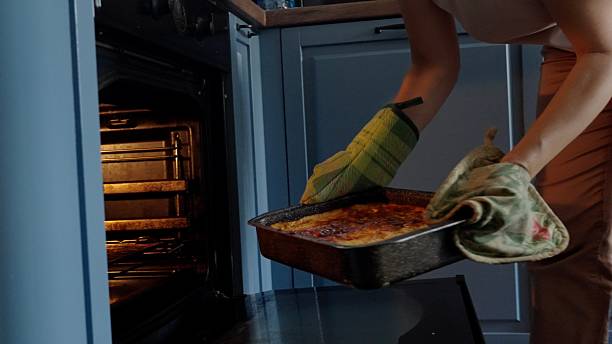
The beauty of sheet pan cooking is how flexible it is. You can build a meal around chicken thighs, salmon fillets, sausage, tofu, or even meatballs, then add whatever vegetables need a little love. Bell peppers, broccoli, zucchini, sweet potatoes, Brussels sprouts, and onions all roast beautifully, though they may need different amounts of time. A useful approach is to cut vegetables into similar-sized pieces and give denser ones a head start before adding quicker-cooking ingredients. This keeps everything from turning into a mushy or uneven pile. Seasoning can be as simple as olive oil, salt, pepper, and garlic, or as playful as taco spice, lemon and herbs, curry powder, or a drizzle of honey mustard. The pan gives you room to improvise without requiring a long recipe.
Planning makes sheet pan dinners even more effortless. Before you start, think about temperature and timing. Many vegetables roast well at around 425 degrees Fahrenheit, while proteins like chicken thighs may need a little longer than fish. If you are cooking different ingredients together, give the sturdy ones a head start and add the delicate ones later. Keep pieces fairly uniform so they cook evenly. It also helps to leave a little space between ingredients rather than crowding the pan, because steam is the enemy of browning. If your pan is packed, use two pans or roast in batches. A hot oven, a sturdy rimmed pan, and a little patience can turn basic ingredients into a meal with crispy edges and deep flavor.
Cleanup is another reason sheet pan dinners earn a regular spot in the dinner rotation. Lining the pan with parchment paper or foil can save scrubbing time, though a little oil and a good soak usually do the trick if you prefer to skip liners. The one-pan setup also means fewer pots, fewer spatulas, and fewer moments of wondering what is burning on the back burner. For households of different sizes, sheet pan dinners scale easily. A single person can roast a small portion of vegetables and a couple of chicken thighs, then use the leftovers for lunch. A larger family can fill two pans with different seasonings so everyone finds something they like. Adults with different appetites or dietary needs can adjust portions without making separate meals.
Flavor variety keeps sheet pan dinners from feeling repetitive. One night might be sausage with peppers, onions, and potatoes. Another could be salmon with asparagus and lemon. Chicken thighs with broccoli and a sesame-soy glaze feel completely different from shrimp with cherry tomatoes and feta. You can lean into cozy flavors with rosemary and balsamic, or bright flavors with lime, cilantro, and chili. Sheet pan meals also work well for taco nights, grain bowls, and hearty salads. Roasted vegetables can be folded into pasta, piled onto rice, or wrapped in tortillas the next day. The goal is not perfection. It is a dependable, satisfying dinner that gives you more breathing room and less kitchen chaos.
A few small habits make sheet pan dinners even better. Read through your ingredients before heating the oven, preheat the pan if you want extra browning, and keep a simple seasoning blend within reach. Taste vegetables before they go in the oven so you know they are well seasoned. Remember that ovens vary, so check early the first time you try a new combination. Most of all, give yourself permission to keep dinner simple. A sheet pan meal does not need a long ingredient list to be good. It needs a little thought, a little heat, and a willingness to let the oven handle the busy work. With that approach, dinner becomes less of a daily scramble and more of a reliable pause in the middle of a full life, which is a win for any household.