

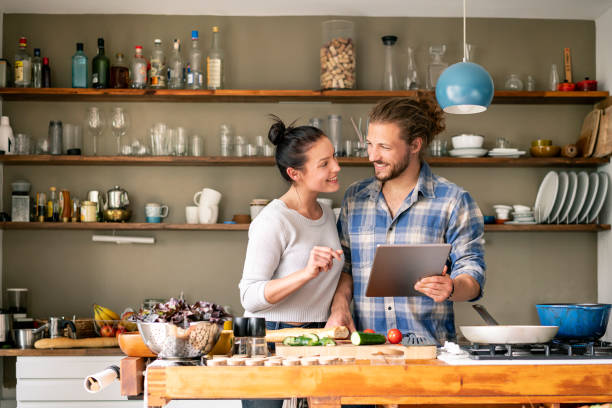
The first shift is mental. A pantry is not a museum; it’s a working toolkit. You don’t need a spreadsheet, just a rough sense of what’s there. Once a week, open the cabinets and take a slow look. Check the fridge and freezer too. Notice grains, pasta, beans, canned tomatoes, broths, condiments, spices, open bags, and half-used jars. If you can see what you have, you’ll use it.
Next, think in formulas rather than recipes. A formula says, build something good from what you own. Try base, protein, flavor, texture, and fresh finish. Your base might be rice, pasta, tortillas, potatoes, or noodles. Your protein might be beans, canned fish, eggs, tofu, or leftover meat. Flavor can come from salsa, curry paste, soy sauce, pesto, broth, or spices. Texture might be nuts, cheese, crackers, or crispy onions. Finish with lemon, herbs, cabbage, spinach, or avocado. When you know the roles, the pantry becomes a set of directions.
This makes dinner flexible. Rice, black beans, salsa, cumin, cheddar, and avocado become burrito bowls. Pasta, tuna, olive oil, garlic, lemon, and peas become a quick pantry pasta. Tortillas, refried beans, chicken, hot sauce, and lettuce become tacos. None of these need a special trip, just a little mixing and matching.
It helps to create a use-first spot. Some items need attention sooner: the open box of couscous, the last bit of rice, the jar of olives, the can of pumpkin. Put them where you can see them. Move older cans to the front. Keep a small basket for open bags and partial boxes. When you spot them, you’ll remember them. This tiny habit reduces waste, saves money, and turns forgotten food into dinner.
Flavor is where pantry dinners often fall flat, so keep power players close. Acid, salt, fat, and heat wake up simple meals. Lemon juice, vinegar, hot sauce, mustard, pickles, olives, capers, and spices are not side notes. They are the difference between fine and delicious. A plain can of beans can become cumin-lime beans or smoky paprika beans. Plain rice can become coconut curry rice or garlic butter rice with peas. Humble ingredients can still taste exciting.
A ten-minute weekly reset makes this easier. Look at what needs using, what proteins you have, what grains are open, and what flavors sound good. Write down two or three dinner ideas, not seven. Then shop only for the gaps: fresh herbs, produce, dairy, or one missing sauce. Instead of buying random groceries and hoping they become meals, you build meals around what is already home.
Remember that the freezer counts. Frozen vegetables, shrimp, dumplings, leftover rice, and broth can carry a weeknight dinner. A handful of frozen peas or spinach can finish soup, pasta, or curry. Frozen ginger or garlic adds instant flavor. When you treat the freezer as part of your pantry, you give yourself more options on nights when time and energy are short.
Cooking a few components ahead also helps. Make a pot of grains. Simmer beans. Roast vegetables that are fading. You don’t need a strict meal-prep plan. You are creating building blocks. Later, assemble them with a sauce, a crunchy topping, and something fresh. Dinner becomes less of a project and more of a quick gathering of good things.
Finally, allow substitutions. No shallots? Use onion. No buttermilk? Stir lemon juice into milk. No fresh herbs? Use dried. No tortillas? Serve the filling over rice. Dinner does not need to be perfect to be nourishing. It needs to work for your household tonight. A pantry-first mindset is resourceful, calm, and creative. Start by opening one cabinet, choosing a base, adding a protein, picking a flavor, and finishing fresh. Dinner is closer than you think.