

The first tool worth investing in is a knife that feels like an extension of your hand. It does not have to be expensive. It needs to be sharp, comfortable, and long enough to handle an onion without wobbling. A dull knife is more dangerous than a sharp one because it slips, and it makes every task feel twice as long. If you only own one knife, make it a chef’s knife. With it, you can slice vegetables, chop herbs, cut chicken, and break down broccoli.
A sturdy cutting board matters just as much. A thin, slippery board makes chopping feel unstable, especially when you are moving quickly. Look for enough weight to stay put, and if it has a nonslip grip or a damp towel underneath, even better. Wood or a good composite is gentle on knives and pleasant to work on. Having two boards, one for produce and one for raw meat, keeps cross-contamination stress low. That separation makes cooking safer and cleanup faster, which matters on a Tuesday night.
Next comes the pan that can do almost anything. A large skillet, preferably with a lid, becomes the workhorse for sautés, stir-fries, frittatas, and one-pan dinners. Cast iron is brilliant for searing and baking, while a good nonstick skillet is handy for eggs and delicate fish. If you are choosing one, think about what your household eats most. A twelve-inch skillet with a lid often gives the most flexibility because it holds enough for two or four without crowding. Crowded food steams instead of browns, and browning is where flavor lives.
A sheet pan is the quiet hero of weeknight cooking. It turns chopped vegetables, protein, and spices into dinner with minimal attention. Look for a heavy-gauge pan that will not warp when it gets hot. Line it with parchment for easy cleanup, or use it bare when you want crisp edges. The same pan can roast vegetables for a side, bake chicken for the main, and toast nuts for a salad. If you have two, you can cook a whole meal at once.
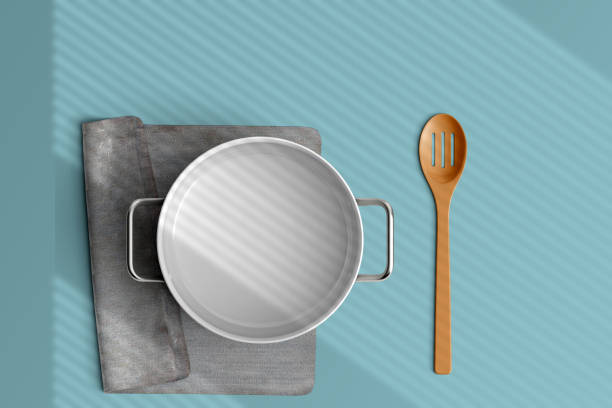
A Dutch oven or large pot earns its place by being both a cooking vessel and a storage vessel. It handles soups, stews, pasta, chili, rice, and even no-knead bread. Because it retains heat well, it can simmer gently while you help with homework or answer one more email. A heavy pot also makes large-batch cooking feel manageable, and leftovers are the secret weapon of dinner planning. Cook once, eat twice, and suddenly the week has breathing room.
Do not overlook the small tools that keep the rhythm going. A digital thermometer takes the guesswork out of chicken and pork, which means less hovering and more confidence. Tongs are an extra hand that can toss, turn, and serve without burning your fingers. Measuring cups and spoons still matter for baking, even if you cook by feel most nights. A colander, a fine-mesh strainer, and a few mixing bowls round out the basics. None of these need to match or be expensive. They just need to be within reach.
Essential kitchen tools are not about owning more. They are about owning enough of the right things. A sharp knife, a reliable board, a versatile pan, a sheet pan, a heavy pot, and a few small helpers can carry you through countless dinners. They work for a household of one or a family of six because they scale with what you put in them. When the tools are trustworthy, you can focus on flavor, flexibility, and feeding the people you love. That is the real goal, and it is within reach.