

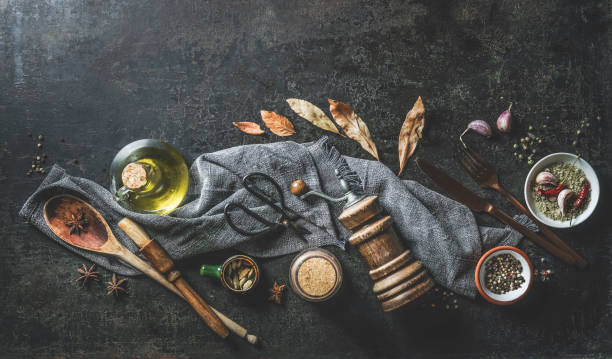
Start with the knife. A sharp chef’s knife, usually around eight inches, is the workhorse of dinner prep. It slices onions, breaks down chicken, chops herbs, and cuts through squash with far less effort than a dull blade. A sharp knife is also safer because it goes where you aim it instead of slipping. Pair it with a large cutting board that stays put. Look for one with rubber feet or place a damp towel underneath. A board big enough to hold a pile of vegetables without spilling over makes prep calmer. If you cook meat, a second board for raw proteins helps keep things clean. These two tools alone can change how quickly a recipe comes together.
Next, think about heat. A wide, heavy skillet, ideally twelve inches and oven-safe, can sear, sauté, fry, simmer, and finish dishes under the broiler. Cast iron and stainless steel are both excellent choices. Nonstick has its place for eggs and delicate fish, but a sturdy skillet will handle most dinners. A rimmed sheet pan is just as valuable. It roasts vegetables until caramelized, bakes chicken thighs, crisps tofu, and catches every drip. A half-sheet pan fits in most ovens and gives food room to brown instead of steam. With a sheet of parchment, cleanup becomes a quick crumple and toss.
A Dutch oven or heavy pot is another quiet hero. It holds heat steadily, which means soups, stews, braises, and beans taste deeper and cook more evenly. You can start dinner on the stove and move the whole pot into the oven. For busy households, this is batch-cooking gold. Make a big pot on Sunday, then reheat portions during the week. Add a large saucepan for pasta, rice, and sauces, and you have the core of stovetop cooking covered.
Do not overlook the small tools that solve everyday problems. An instant-read thermometer takes the guesswork out of chicken, pork, and leftovers. It helps you cook to temperature rather than relying on time alone. A set of mixing bowls, both small and large, keeps ingredients organized. Measuring cups and spoons still matter, especially in baking, but a digital scale can make recipes faster and more consistent. Tongs might be the most underrated tool in the kitchen. They flip vegetables, toss salads, move hot food, and serve pasta without a hunt for another utensil. Wooden spoons, heatproof spatulas, a colander, a fine-mesh strainer, and kitchen shears round out a practical setup.
Storage is part of the tool story, too. A stack of glass or plastic containers with tight lids turns extra food into tomorrow’s lunch instead of a sad discovery in the fridge. Label and date what you freeze, and keep a roll of tape and a marker nearby. This small habit makes meal planning real. You are not just cooking tonight; you are giving future you a break.
Finally, care for what you own. Keep knives sharp with a honing rod and occasional professional sharpening. Wash them by hand and dry them right away. Season cast iron, avoid soaking wooden boards, and do not cram sheet pans into a chaotic cupboard. Store the tools you use most where you can grab them. A calm kitchen is not about perfection. It is about reducing friction. When your tools are ready, you are more likely to cook, and when you cook more, recipes stop feeling like rules and start feeling like rhythms. The best kitchen tools are not the flashiest ones. They are the ones that help you get dinner on the table with a little more joy and a little less fuss.