

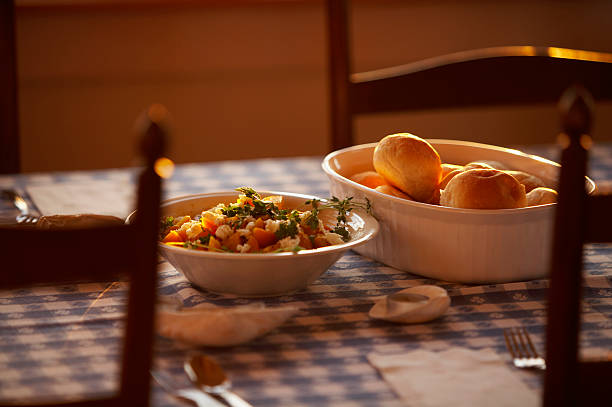
The Dinner Mindset is not about cooking complicated meals. It’s about looking at your pantry as a resource, not a graveyard of forgotten cans and half-empty bags. When you approach lunch the same way you approach dinner—by checking your inventory, choosing versatile ingredients, and building a meal that can be adjusted on the fly—you save time, reduce stress, and waste less food. Tuna and white bean salad is a perfect example of this philosophy in action. It uses ingredients that last, comes together in minutes, and can be customized with whatever herbs, vegetables, or dressings you have on hand.
Let’s start with the pantry staples. Canned tuna is a protein powerhouse that sits quietly in your cabinet, waiting for its moment. White beans, whether cannellini, great northern, or navy, are equally patient. They add fiber, creaminess, and a neutral base that pairs beautifully with tuna. A good olive oil, a splash of vinegar or lemon juice, and salt and pepper complete the core. From here, your imagination can run wild. Maybe you have a handful of cherry tomatoes that need using. Perhaps you have a half-red onion, some capers, or a leftover cucumber. The Dinner Mindset says: look first, shop second.
To make this salad feel like a real meal, not just a sad bowl of fish and beans, think about texture and freshness. A handful of fresh parsley or basil elevates the whole thing. A little red onion adds bite. If you have a jar of roasted red peppers or artichoke hearts, toss those in too. The beauty of this approach is that you are never locked into a single recipe. You are building a lunch from what exists, and that is the heart of making the most of your pantry.
Now, let’s talk about the actual assembly. Open your can of tuna and drain it well. Open your can of white beans and rinse them under cold water to remove excess salt and starch. Combine them in a bowl. Add a generous drizzle of olive oil, a squeeze of lemon or a dash of red wine vinegar, and a pinch of salt and pepper. Stir gently so the tuna flakes but doesn’t turn into paste. If you have any crunchy vegetables, chop them small and fold them in. Taste, adjust, and you are done. That is a lunch that took about five minutes, used ingredients you already had, and delivered protein, fiber, and flavor.
But here is where the Dinner Mindset really shines. While you are making that salad for today, think about how you can use the same ingredients for dinner later this week. That same can of white beans can become a creamy dip, a soup thickener, or a side dish for roasted chicken. That same can of tuna can be turned into tuna patties, a pasta sauce, or a topping for a grain bowl. By planning with your pantry in mind, you reduce the number of trips to the store and increase the number of meals you can pull together in a pinch.
This salad also teaches you about portion control and adaptability. If you are cooking for one, you can make a single serving. If you are feeding a family, double or triple the recipe and serve it with crusty bread or over a bed of greens. The ingredients scale easily, and the flavor only improves after a few hours in the fridge. That means you can make a larger batch on Sunday and have lunches ready for three days. That is the kind of planning that transforms a chaotic week into a manageable one.
So the next time you open your pantry and feel uninspired, remember the Dinner Mindset. Start with what you have. Build a meal that is simple, satisfying, and flexible. Tuna and white bean salad is just one example, but the principle applies to countless combinations: chickpeas and roasted vegetables, lentils and leftover grains, canned salmon and avocado. The goal is not perfection. The goal is progress. And that progress begins with seeing your pantry as an ally, not an afterthought.
In the world of Dinner Goals, every meal matters, and every ingredient has potential. By thinking strategically about lunch, you free up mental energy for the rest of your day. You save money. You reduce food waste. And you prove to yourself that a great meal doesn’t require a grocery run or a complicated recipe. It just requires a little planning, a little creativity, and the confidence to make the most of what you already have.