

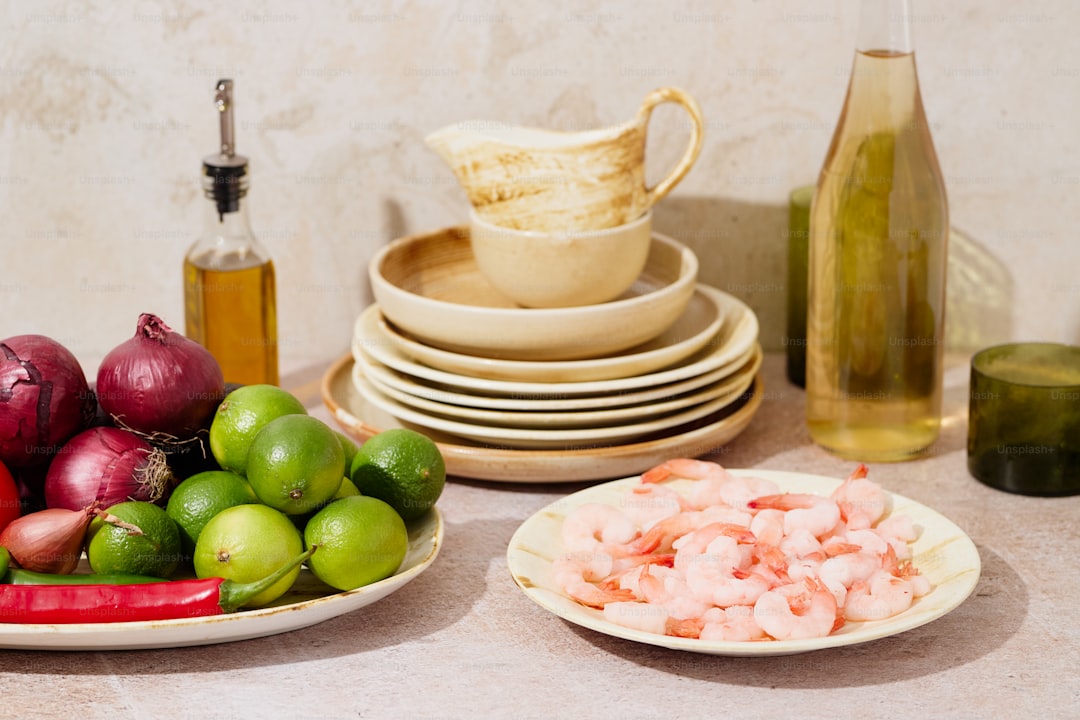
Describing Flavors: Go Beyond “Good”
Flavor is the heart of any recipe, but “tastes delicious” doesn’t tell anyone much. For busy households, flavor descriptions help people imagine if the dish will satisfy picky eaters, spice lovers, or those watching sodium. Start by naming the dominant flavor profile: is it savory, sweet, tangy, smoky, or umami? Then layer in nuances. If a recipe calls for soy sauce and ginger, you might say the sauce is “salty with a warm, peppery kick from fresh ginger that lingers pleasantly.” If it’s a slow-cooker chili, mention whether the heat builds slowly or hits immediately. Describe the texture of the flavor too: is it bright and acidic from tomatoes, or deep and earthy from cumin and cocoa? Avoid vague praise like “yummy.” Instead, say something like “every bite had that satisfying savory depth you expect from a long-simmered stew, but with a surprising hint of lime that cut through the richness.” This helps a reader decide if the flavor fits their family’s preferences—and makes your review memorable.
Mastering Presentation: Honest and Practical
Good presentation in a recipe review isn’t about Michelin-star plating. It’s about helping someone see if the dish looks appetizing enough to make after a long day. Describe colors, textures, and arrangement in a way that sets realistic expectations. For example, if you baked a sheet pan chicken with roasted broccoli, don’t say it looked “gorgeous” if the broccoli came out a little brown on the edges. Instead, say “the chicken had a nice golden crust, and the broccoli got crispy at the tips, which added a nice crunch next to the tender meat.” Mention if the sauce pools naturally or if the dish needs a garnish to look finished. A simple sprinkle of parsley or a squeeze of lemon can elevate a plain-looking meal. If the recipe is messy or homely, say that too. “This dish isn’t winning any beauty contests, but the gooey cheese and browned top made everyone grab a spoon without a plate.” Honesty builds trust, and busy cooks appreciate knowing if something looks good enough to serve guests or is purely “weeknight comfort.”
Portion Sizes: The Real Deal for Busy People
Portion size is where many recipe reviews fall short, but it’s crucial for dinner planning. Your readers need to know if this recipe will feed their household, stretch for leftovers, or leave them hungry. Instead of a vague “serves 4,” get specific. For instance, say “this made six hearty servings for our family of four, with enough left for two lunches the next day.” Mention the size of the portions: were the chicken breasts massive or modest? Did the rice make a generous side or just a small scoop? If the recipe is a casserole, describe how full your baking dish was before and after cooking. Also, note if the portion sizes work well for meal prep. “We ate half as dinner, and the rest reheated perfectly for lunch the next day with no soggy texture.” For families with teen appetites or big eaters, add a note: “If you have hungry adults, I’d double the vegetables or add a side salad to round out the meal.” This practical advice is gold for busy people who don’t want to guess.
Putting It All Together in Your Review
When you write a review for Dinner Goals, think of it as a quick heads-up to a friend. Start with a sentence that sums up the experience, like “This one-pot pasta delivered on its promise of minimal cleanup and a creamy, garlicky sauce that kids actually asked for seconds of.” Then weave in flavor, presentation, and portions naturally. Don’t save them for separate paragraphs; mention the color of the sauce as you describe its taste, and note the portion size when you talk about leftovers. Keep your tone warm and helpful, not critical. Remember, every busy household has different needs—some want quick 20-minute meals, others need big batches for the week. By painting a clear picture of flavors, honest presentation, and realistic portions, your reviews help people make confident choices. And that’s the true art of mastering a recipe: not just cooking it, but sharing it in a way that makes dinner easier for everyone.