

Let’s start with tofu. Silken, firm, extra-firm—each has a personality. Silken tofu blends into smooth sauces, creamy dressings, or even desserts like a dream, but it crumbles under high heat. Firm and extra-firm tofu, on the other hand, are your go-to for stir-fries, scrambles, and anything that needs a little chew. The key to mastering tofu in a recipe is pressing it. That might sound like an extra step you don’t have time for, but it takes less than ten minutes. Wrap the block in a clean kitchen towel, place a heavy skillet on top, and let gravity do the work. Pressed tofu absorbs marinades like a sponge, and it browns beautifully in a pan. If you skip pressing, you end up with watery, pale chunks that steam instead of sizzle. That one simple habit transforms tofu from bland to brilliant.
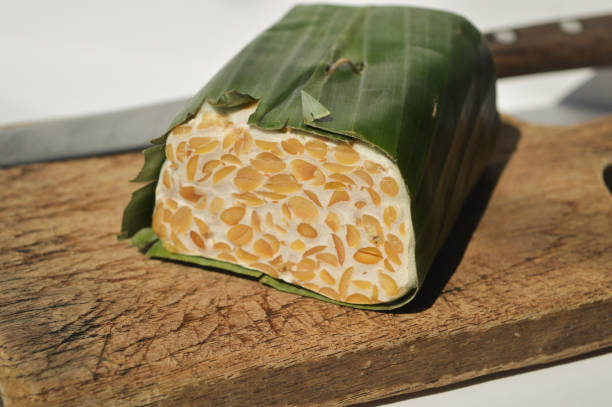
Now, tempeh. It’s firmer, nuttier, and made from fermented soybeans that hold together in a dense cake. Tempeh doesn’t need pressing, but it does crave a little steam or simmer before you cook it. A five-minute bath in boiling water (or broth, for extra flavor) opens up its texture and softens that slight bitterness, making it much more welcoming to marinades and sauces. Once steamed, tempeh crumbles like ground meat for tacos or chili, or slices into hearty cutlets that hold up on a grill or in a skillet. The trick is to treat tempeh like a canvas—it takes on whatever flavor you give it, but it needs a little persuasion to get there.
When you’re substituting tofu or tempeh for meat in a recipe, think about texture first. If you’re replacing ground beef, tempeh crumbles are your best friend. Crumble it by hand, toss it in a hot pan with a little oil, and season it with smoked paprika, garlic, and a splash of soy sauce. It browns in minutes and works wonders in pasta sauce, stuffed peppers, or sloppy Joes. If you’re replacing chicken breast in a stir-fry, go with extra-firm tofu. Cube it, press it, then toss it in cornstarch and a pinch of salt before pan-frying. That light coating gives it a crisp edge that mimics the browning you’d get from seared poultry. For fish or delicate proteins like scallops, try silken tofu in a miso glaze or seasoned pan sauce—it’s soft, silky, and absorbs flavors without fighting back.
One common mistake is overcomplicating the swap. You don’t need a special marinade for tofu or a complex spice blend for tempeh. Start with whatever sauce or seasoning your original recipe calls for. If you’re making barbecue pulled pork sandwiches, use shredded tempeh. If you’re making a creamy lemon pasta, blend silken tofu into the sauce for a protein boost without the dairy. The beauty of both ingredients is that they’re humble. They let your recipe shine.
Timing matters, too. Tofu and tempeh cook faster than most meats—usually in ten to fifteen minutes—so adjust your prep accordingly. If your recipe says to sear chicken for eight minutes per side, cut that to about four minutes per side for tofu, and watch it closely. Tempeh benefits from a little longer over medium heat to get a good crust, but it doesn’t need resting time like a steak. That’s a win for busy schedules.
Finally, don’t be afraid to fail. The first time you try tempeh in a stir-fry, it might be too dry. The first time you try tofu in a curry, it might fall apart. That’s okay—every substitution teaches you something. Write down what worked and what didn’t. Next time, press the tofu longer, or steam the tempeh for an extra minute before cooking. The art of the recipe isn’t about perfection; it’s about confidence. And confidence comes from practice.
So the next time you’re staring down a recipe that calls for chicken or beef, reach for that block of tofu or tempeh instead. Press it, steam it, season it, and trust it. Your family might not even notice the swap—they’ll just notice dinner is delicious.